

- Stock: In Stock
- Product code: DeskFab-H1
- Weight Brutto: 120.00kg

More from this brand


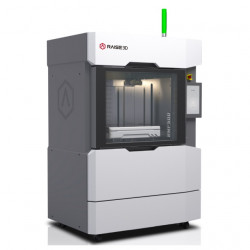
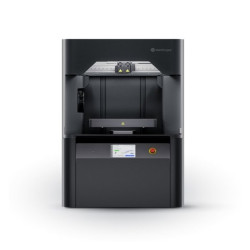
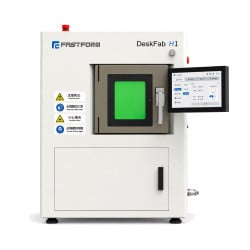
FastForm DeskFab H1 for Compact SLM Printing of Metal Parts
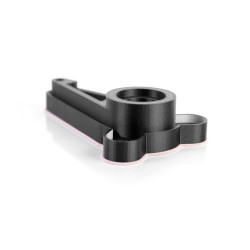
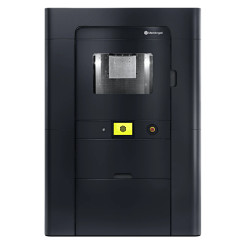
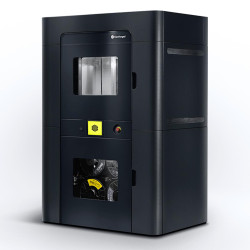
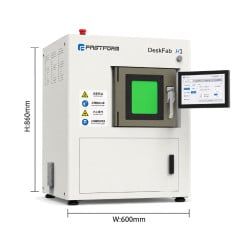
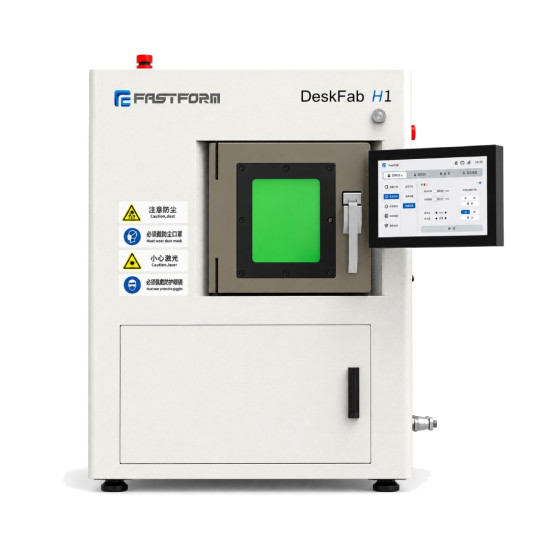
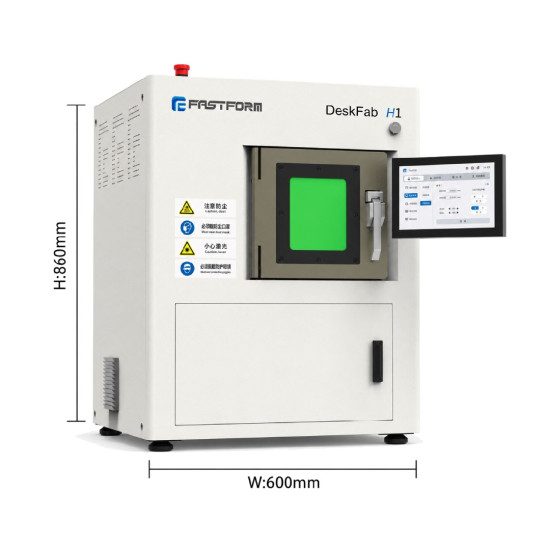
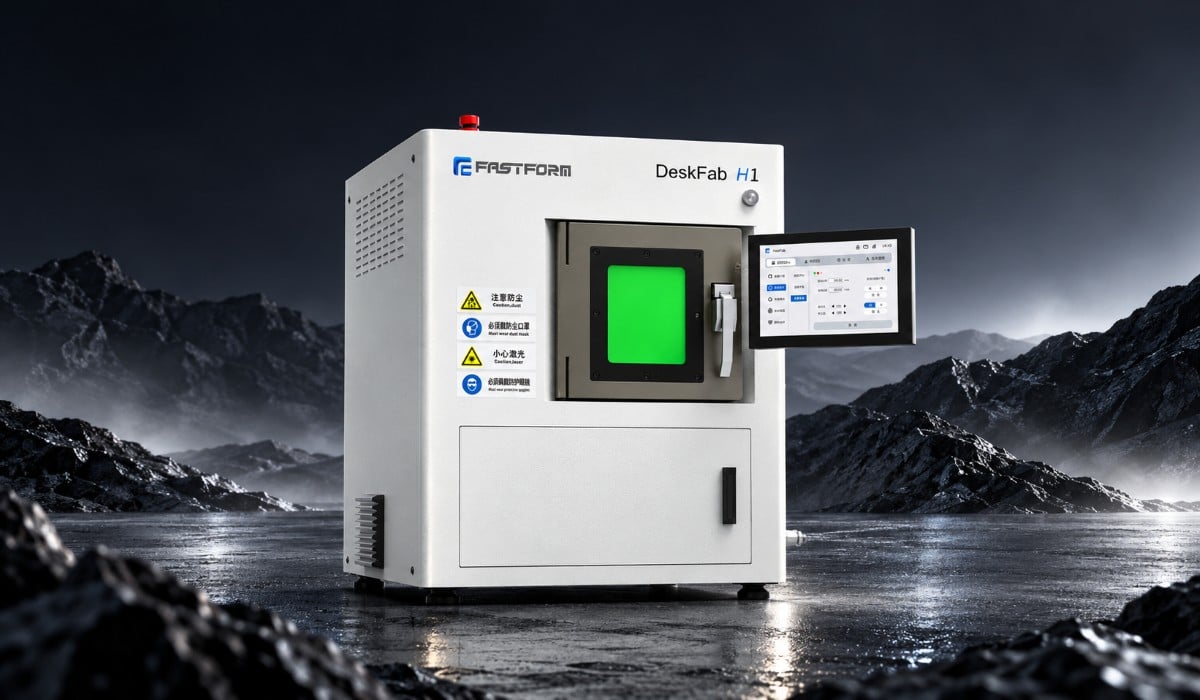
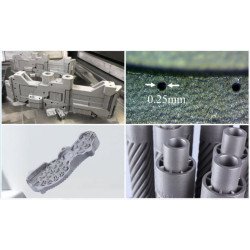
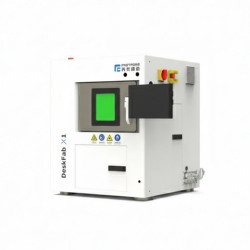
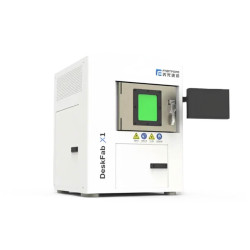
3D Printer SLM FastForm DeskFab H1 is designed for layer-by-layer manufacturing of parts from metal powder using SLM technology. The model is equipped with a 400 W laser with an adjustable spot size of 50–200 µm and has a cylindrical build area of Ø100 x 80 mm. With dimensions of 600 x 650 x 860 mm, the equipment occupies about 0.39 m² of space and is suitable for working with compact metal parts, prototypes, and experimental samples.
Advantages of FastForm DeskFab H1
- Compact design for SLM printing. The body measures 600 x 650 x 860 mm and occupies about 0.39 m². This simplifies the planning of space for installing a metal 3D printer.
- 400 W laser with adjustable spot. The diameter of the laser spot varies between 50–200 µm. Adjusting this parameter allows changing the size of the laser's impact area on the powder layer.
- Automatic task preparation. The system performs model layout and trajectory planning. Automatic layout takes about 5 minutes, and One-click Printing is used to start the prepared task.
- Modular material handling. The cartridge system provides options for CoCr, Ti, and other metal materials. The cartridge is selected according to the material planned for printing.
- Permanent Filter with long resource. The filtration system is designed for over 30,000 hours of operation.
- Multiple groups of metals and alloys. DeskFab H1 works with stainless steel, superalloys, titanium alloys, pure titanium, and high-entropy alloys.
SLM Printing and Laser System
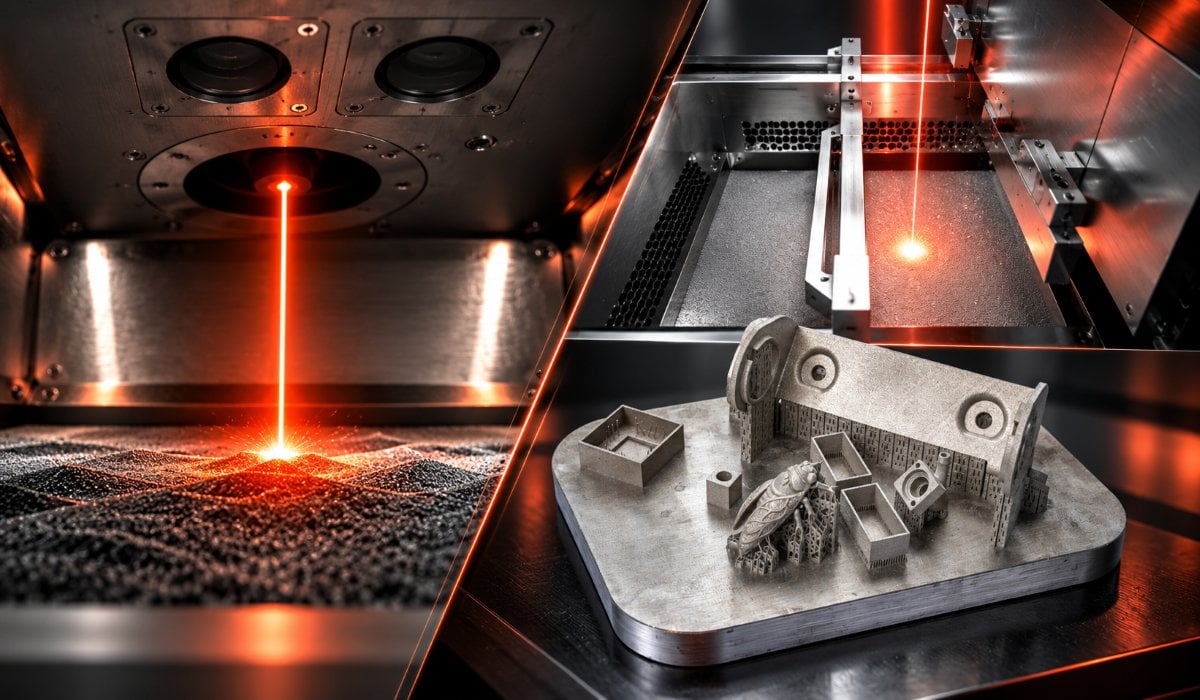
DeskFab H1 forms metal parts layer by layer using SLM technology. The 400 W laser affects the metal powder within the specified trajectory, gradually forming the geometry of the product. The diameter of the laser spot is adjustable from 50 to 200 µm. Changing this parameter allows adjusting the size of the laser's impact area on the powder layer. The process also applies LFPT, Laser Follow Powder Technology. The technology works together with the powder application system during the sequential formation of layers of the metal part.
Working Area and Layer-by-Layer Powder Application
The cylindrical build area of DeskFab H1 measures Ø100 x 80 mm. The base plate is included in the equipment configuration and is fixed with a Magnetic Fixed system. The dimensions of the working area determine the available space for placing parts before preparing the task for SLM printing. The metal powder is fed according to the Top Feeding and One-Sided Recoating scheme. After top feeding, a new powder layer is applied in one direction. The layer formation is performed by Soft Blade Recoater, a recoater with a soft blade. After powder application, the laser processes the specified area, and the cycle repeats for the next layer. The printer itself measures 600 x 650 x 860 mm, and its weight is 120 kg. The base area of about 0.39 m² allows considering the necessary space during the planning of the equipment installation location.
Automated Preparation and Launch of SLM Printing
Task preparation is performed in FastLayer Slicing Software. The software is responsible for automatic model layout and trajectory planning. The automatic layout process takes about 5 minutes. Further control of the printer's operation is carried out through FastFab Operation Software. The One-click Printing function allows starting an already prepared task without additional manual model layout. This software process combines model preparation, part placement, trajectory formation, and print launch into a sequential work scenario.
Modular Cartridges and Metal Powder Selection
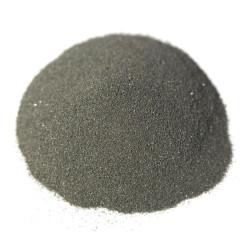
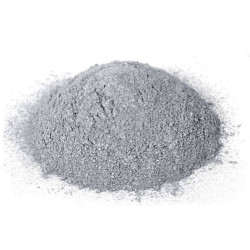
DeskFab H1 is equipped with a modular cartridge system that provides work with CoCr, Ti, and other materials. The cartridge can be selected according to the metal powder planned for a specific task. The printer supports the following material groups: stainless steel, superalloys, titanium alloys, pure titanium, high-entropy alloys. The compatibility of a specific metal or alloy brand should be checked according to the DeskFab H1 configuration.
Training and Research
FastLayer is used at the model preparation stage, while FastFab is responsible for controlling the printer's operation. Automatic layout and trajectory planning reduce the number of manual operations before launching SLM printing. DeskFab H1 also has a 1-to-N mode and a virtual simulation function. These capabilities can be applied during training on equipment operation and preparing operators to work with SLM technology.
Permanent Filter and Operation in N₂ or Ar Environment
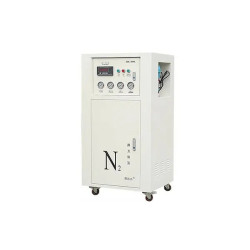
The Permanent Filter system is designed for a resource of over 30,000 hours. Filtration is part of the DeskFab H1 working system during metal powder printing. SLM printing is performed using a protective gas environment. The printer supports N2 and Ar, i.e., nitrogen and argon. The gas is selected according to the metal material and process parameters. The filtration system and protective gas environment are components of the DeskFab H1's work process with metal powders.
Where DeskFab H1 is Used
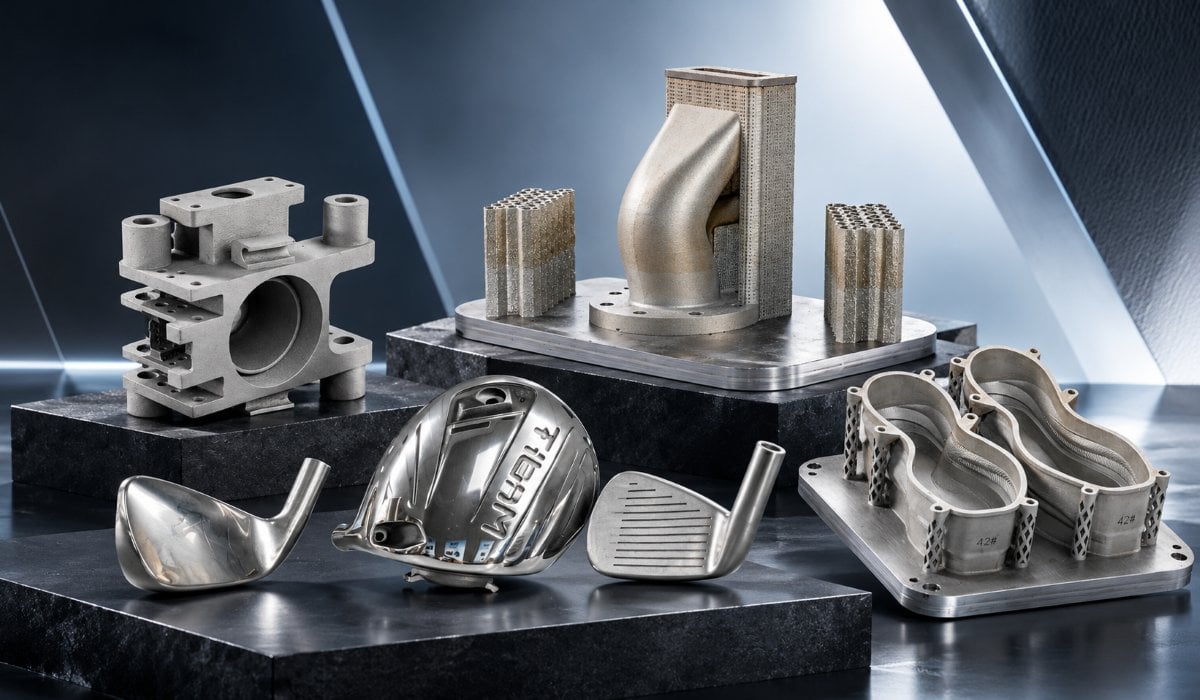
The build area of Ø100 x 80 mm and the ability to work with multiple groups of metals define the main usage scenarios for this SLM 3D printer.
- Prototyping. Manufacturing small metal prototypes to verify the geometry and design of the product.
- Small batch production. Printing small batches of parts that fit the working area of Ø100 x 80 mm.
- Engineering and design work. Creating compact metal parts with complex geometry directly from powder material.
- Research of metal materials. Working with stainless steel, superalloys, titanium alloys, pure titanium, and high-entropy alloys compatible with the equipment configuration.
- Education and operator training. Studying SLM technology and principles of working with metal powders using the 1-to-N mode and virtual simulation.
Parameters and Configuration of DeskFab H1
Working and Physical Parameters
| Parameter | Value |
| Printing Technology | SLM |
| Build Area | Ø100 x 80 mm |
| Base Plate | Included |
| Base Plate Fixation | Magnetic Mounting |
| Laser Power | 400 W |
| Laser Spot Size | 50–200 µm |
| Output Power | 1.5 kW |
| Net Dimensions | 600 x 650 x 860 mm |
| Net Weight | 120 kg |
| Base Area | About 0.39 m² |
Powder System, Materials, and Gas Environment
| Parameter | Value |
| Powder Feeding and Application System | Top Feeding and One-Sided Layer Application |
| Recoater | Soft Blade Recoater |
| Powder Handling Technology | LFPT |
| Materials | Stainless steel, superalloys, titanium alloys, pure titanium, high-entropy alloys, and others |
| Cartridge System | Modular, CoCr, Ti, and others |
| Protective Gas | N2, Ar |
| Filtration System | Permanent Filter |
| Filtration System Resource | Over 30,000 hours |
Software and Automated Functions
| Parameter | Value |
| Software | FastLayer, FastFab |
| Task Preparation | Automatic Layout and Trajectory Planning |
| Automatic Layout | About 5 minutes |
| Print Launch | One-click Printing |
| Training Functions | 1-to-N, Virtual Simulation |
Selection and Ordering of FastForm DeskFab H1
FastForm DeskFab H1 is advisable to consider for SLM printing of compact metal parts, prototyping, small-batch manufacturing, and research work with metal powders. Order DeskFab H1 on our website and receive consultation on printer configuration, compatible materials, equipment, and delivery conditions.




-250x250.jpg "3D printer CreatBot D600 Pro")