

- Stock: In Stock
- Product code: D400 HS
- Weight Brutto: 150.00kg

More from this brand


-60x60.jpg "3D printer CreatBot D600 Pro")

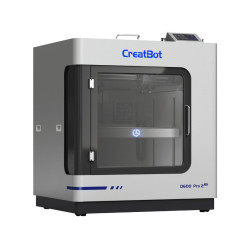
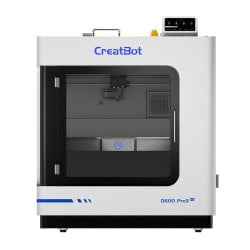
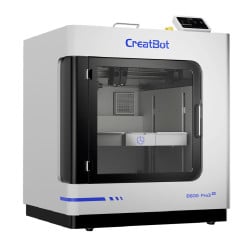
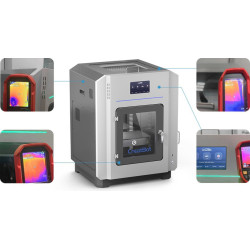
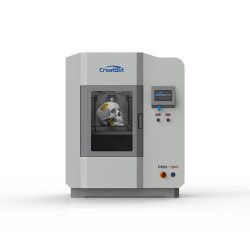
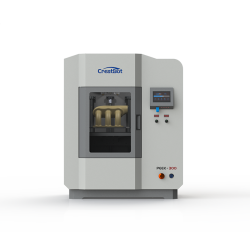
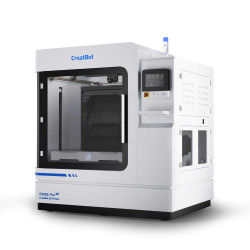
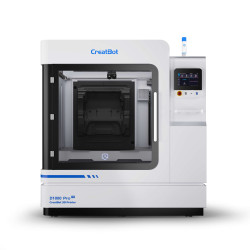
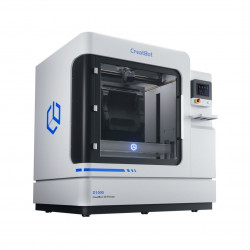
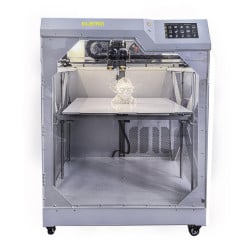
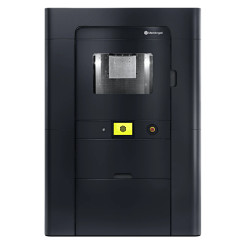
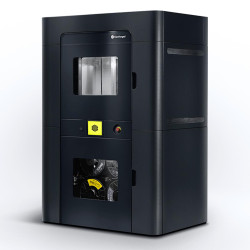
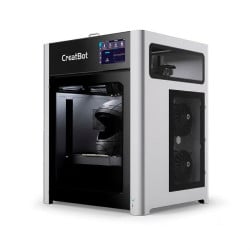
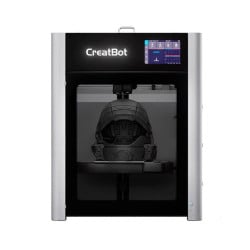
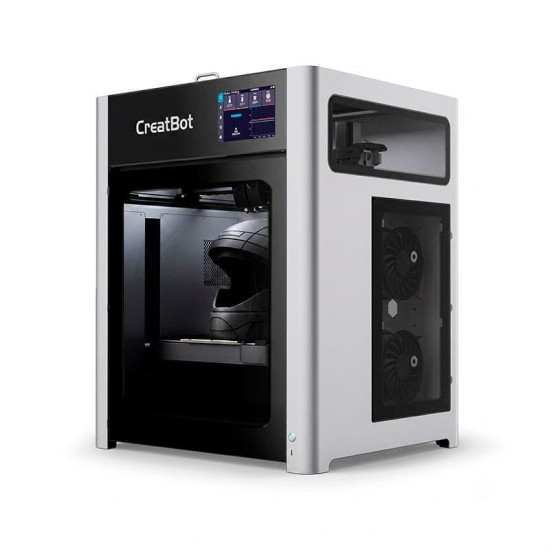
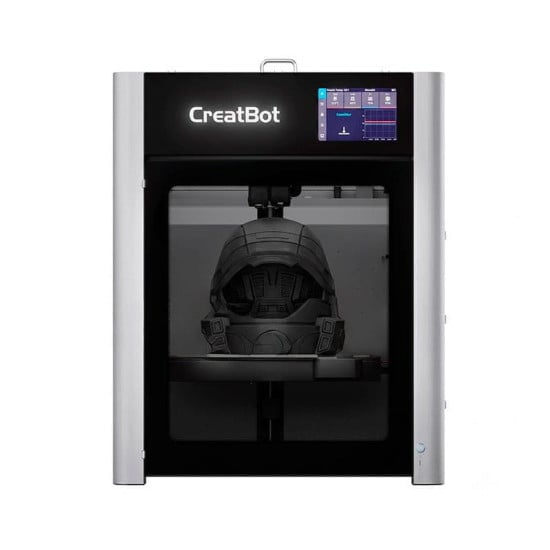
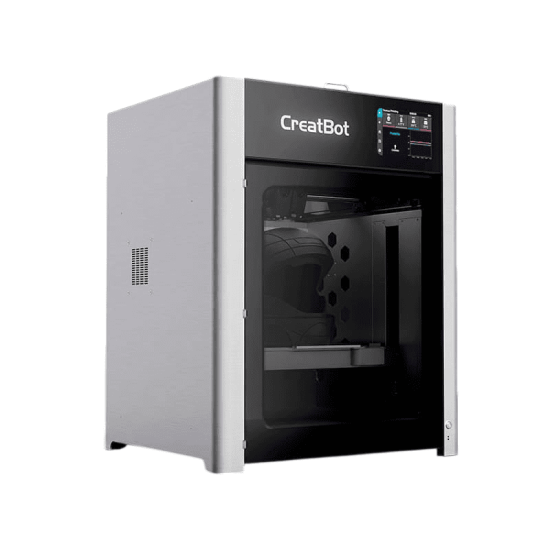
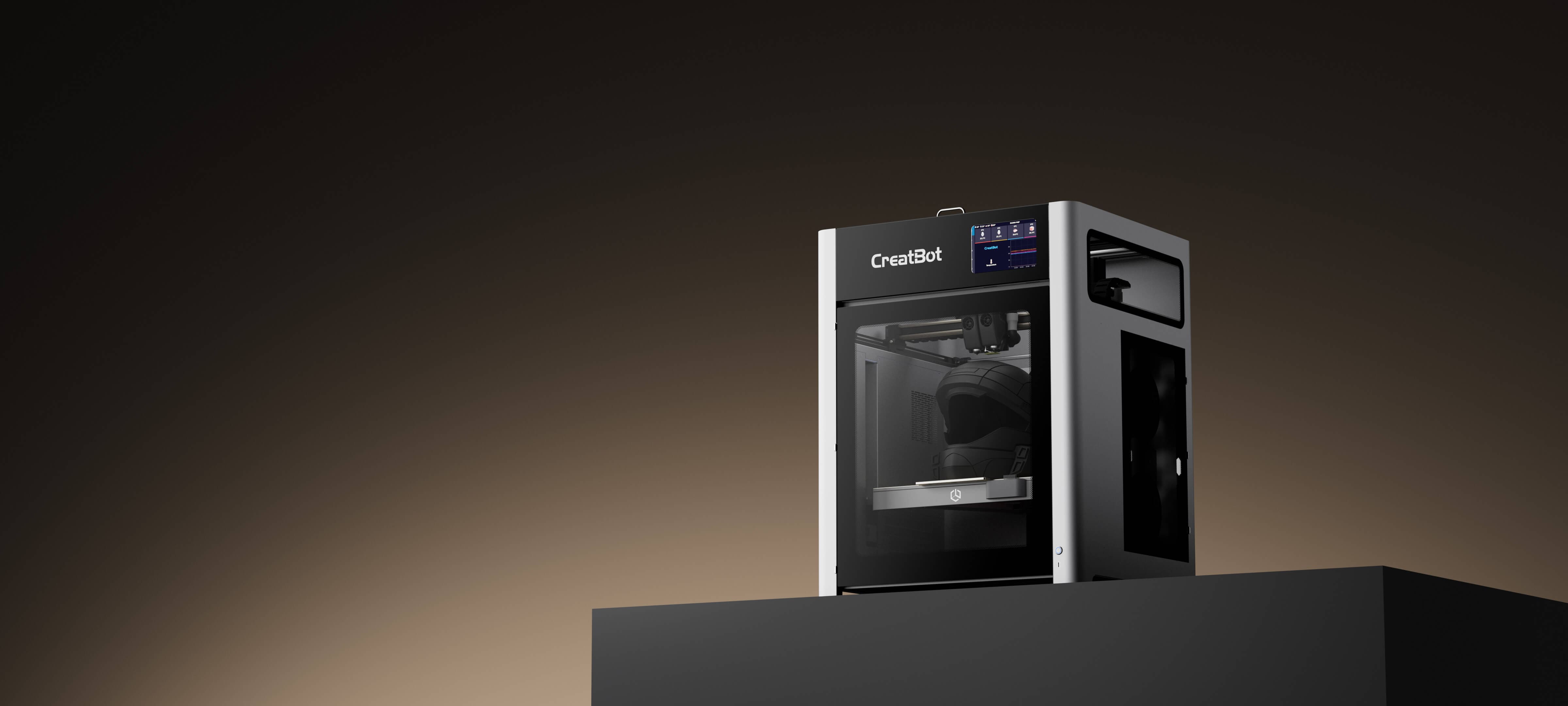
CreatBot D400 HS — a professional large-format FDM/FFF 3D printer of the new generation, designed for high-speed production of functional parts, equipment, and large-scale prototypes from engineering plastics. The model combines a print area of 420×400×420 mm, a speed of up to 600 mm/s, intelligent automation, an active thermal chamber at 70 °C, and a high-temperature dual extruder up to 420 °C. Thanks to this, the D400 HS works equally effectively both in design bureaus and in continuous industrial production, where speed, stability, and repeatability of results are important.
CreatBot D400 HS Specs
| Specification | Value | Why it matters |
|---|---|---|
| Print area | 420 × 400 × 420 mm | Allows printing large parts without splitting the model into separate parts. |
| Maximum print speed | 600 mm/s | Significantly reduces the production time of prototypes and serial parts. |
| Nozzle temperature | 420 °C | Allows working with a wide range of engineering and composite materials. |
| Active thermal chamber | 70 °C | Reduces the risk of shrinkage, warping, and delamination of large products. |
Key Advantages of CreatBot D400 HS
CreatBot D400 HS is designed for enterprises that lack the capabilities of regular desktop 3D printers. Its design is oriented towards long continuous operation, printing large products, and using modern engineering polymers. Automated calibration systems, rigid mechanics, high-speed kinematics, and intelligent control allow achieving stable results even during multi-hour printing of large parts.
Unlike most large-format printers, the D400 HS not only increases the print area but also ensures high productivity without losing accuracy. That is why it is suitable for manufacturing functional prototypes, production equipment, final parts, molds, templates, and other products used directly in the production process.
Champion DNA — a new generation of industrial 3D printers
The D400 HS series is the result of years of development of CreatBot's industrial systems. The company's engineers have completely modernized the platform, increasing print speed, enhancing the rigidity of the mechanics, and implementing new algorithms for automatic equipment setup. As a result, the user receives an industrial 3D printer that practically does not require long manual calibration before starting work.
Particular attention is paid to the stability of printing large models. Even at high speeds, the system maintains precise positioning, stable material feed, and uniform quality of each layer. Thanks to this, the D400 HS is equally suitable for single production of large parts and regular serial production.
The printer's architecture is designed to work with modern high-temperature materials, and all key components are created with long-term operation in industrial production conditions in mind. This allows using the D400 HS as a full-fledged production tool, not just equipment for creating demonstration models.
Large print area for large-scale products
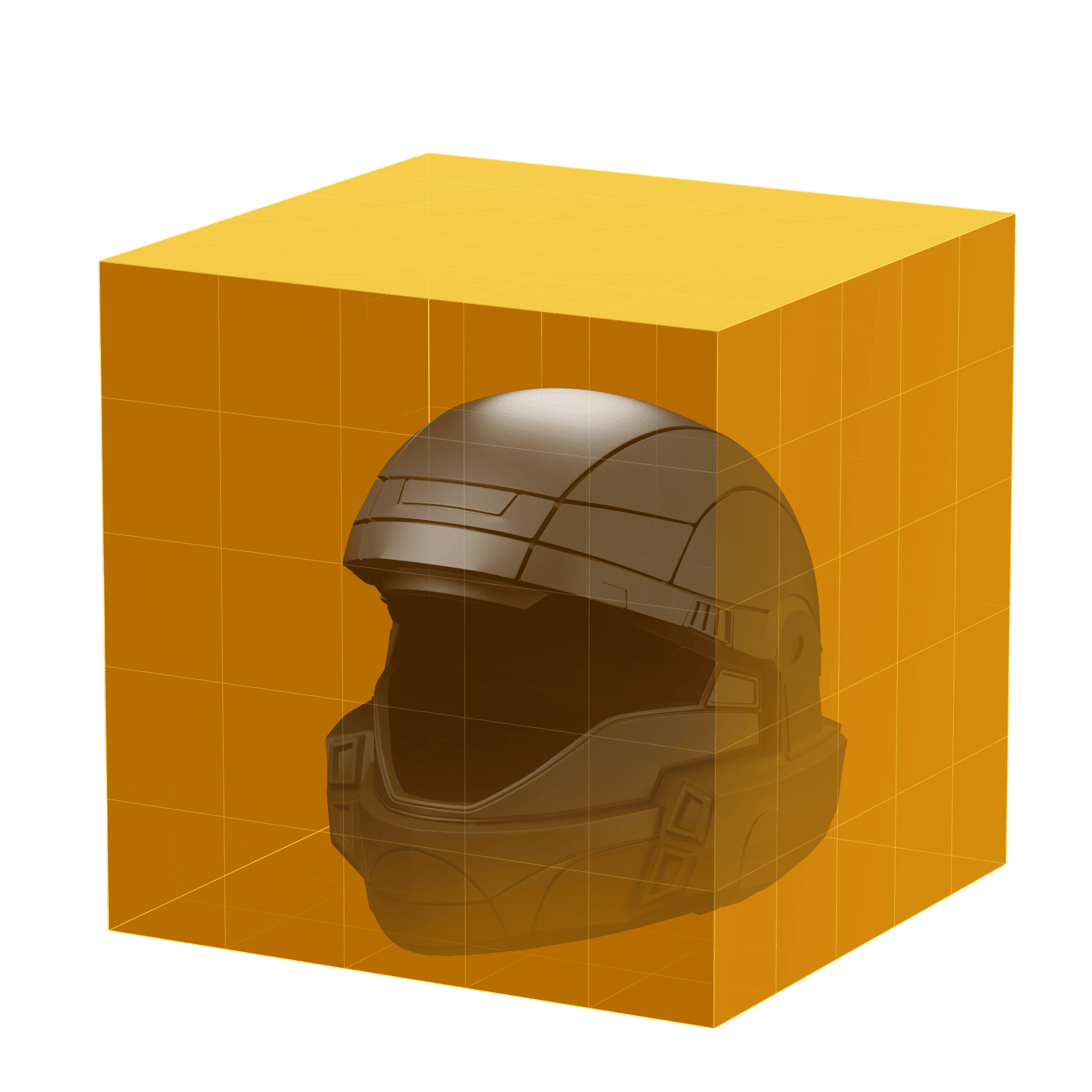
The working area of 420 × 400 × 420 mm opens up the possibility of printing large housing elements, technological equipment, industrial templates, functional prototypes, design models, and finished parts without the need to divide the model into separate fragments. This not only reduces production time but also increases the mechanical strength of the product, as there are no bonding or mechanical connection points of separate parts.
Even when using two extruders, the printer retains a significant useful print volume — 365 × 400 × 420 mm. This allows using soluble supports or combining different materials without significantly limiting the size of the models.
For manufacturers who regularly work with large parts, this means reducing post-processing, decreasing the number of potential defects, and obtaining more accurate finished products. That is why the D400 HS is actively used for manufacturing production equipment, machine parts, functional prototypes, automotive components, and elements of industrial equipment.
High-speed printing of the new generation
CreatBot D400 HS is specially created for enterprises where equipment productivity directly affects project deadlines and production costs. Thanks to the modern high-speed platform based on Klipper firmware, the printer can print at speeds of up to 600 mm/s, which significantly exceeds the capabilities of most classic industrial FDM printers. At the same time, the increase in speed is not accompanied by a noticeable loss of accuracy or surface quality, as all printer components are optimized specifically for high-speed printing mode.
High productivity is especially noticeable when manufacturing large-scale models. If printing such products on regular equipment can take several days, the D400 HS allows significantly shortening the production cycle, faster checking the product design, and more quickly transitioning from prototyping to serial production of parts.
For companies that regularly manufacture technological equipment, functional prototypes, or final products in small series, this means more efficient use of equipment, reduced downtime, and increased output during a single work shift.
Productivity up to 90 mm³/s
The speed of the print head movement is just one of the factors of productivity. An equally important indicator is the maximum volume of plastic that the extruder can stably feed through the nozzle per unit of time. In CreatBot D400 HS, this indicator is up to 90 mm³/s, which allows maintaining high speed even when printing models with a large layer thickness or using nozzles of increased diameter.
Stable material feed minimizes the risk of under-extrusion, cavity formation, or uneven layer formation. This is especially important when manufacturing large parts, where even minor defects can lead to the need to reprint a multi-hour model.
The combination of high movement speed and high extruder productivity allows the D400 HS to remain effective regardless of the size of the product or the material used.
Reinforced mechanics for stable printing
One of the main problems of high-speed printing is the occurrence of vibrations and resonances that negatively affect the accuracy of the product's geometry. That is why the CreatBot D400 HS received a modernized mechanical platform with reinforced guides and a rigid supporting structure capable of working with high accelerations without losing stability.
The massive metal body effectively absorbs mechanical vibrations, and the improved kinematics ensures smooth movement of the print head even during rapid changes in direction. This positively affects surface quality, dimensional accuracy, and repeatability of results regardless of the duration of printing.
Such a design is especially important for industrial use, when the printer operates continuously for many hours or several days in a row. Reliable mechanics allow maintaining stable printing characteristics even after long production cycles.
Quality first layer — the foundation of successful printing
Any FDM printing starts with the first layer, and it is the quality of this layer that determines the success of the entire production process. Even the most modern materials or precise mechanics cannot compensate for insufficient adhesion of the model to the platform. That is why the CreatBot D400 HS is equipped with an automatic system for building a table surface map, which ensures uniform adhesion of the first layer across the entire print area.
After calibration, the printer automatically compensates for even the slightest unevenness of the working surface, maintaining the same distance between the nozzle and the platform across the entire print field. This is especially important for large-format models, where any local deviation can lead to detachment of individual areas of the product or subsequent warping of the entire part.
A stable first layer improves print quality, reduces the number of failed starts, and allows the operator to confidently leave the equipment working without constant supervision, which is critically important for multi-hour and multi-day printing of large products.
Intelligent Dual Extruder Auto-Raising
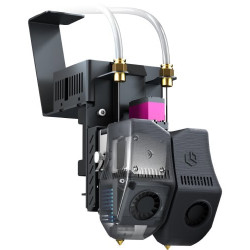
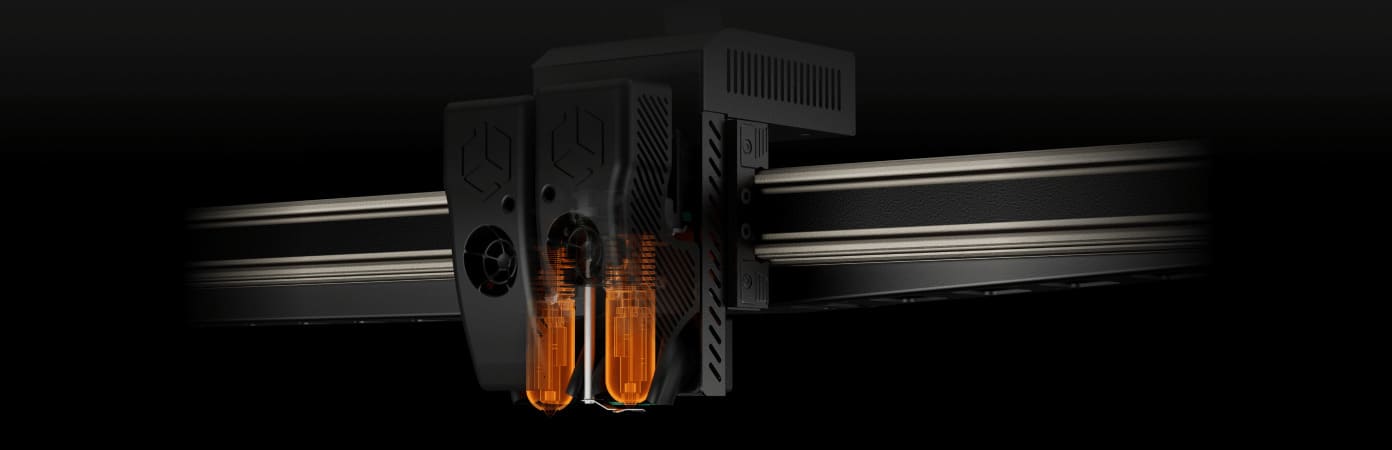
CreatBot D400 HS is equipped with an intelligent dual extrusion system Auto-Raising Smart Dual Extruder, which ensures high print quality even when working at maximum speeds. Unlike traditional dual extruders, in this design, the inactive nozzle automatically rises above the surface of the model, eliminating any contact with already printed layers.
This solution eliminates one of the main problems of classic dual-extruder systems — the appearance of scratches, layer shifts, and accidental touching of the product surface by the inactive nozzle. This is especially important when printing large parts, which can take tens of hours. Even minor mechanical contact can ruin the finished model, so the Auto-Raising system significantly increases the reliability of the continuous production process.
Two independent hotends allow printing with different materials, using soluble supports, or combining structural and auxiliary plastics in one product. Thanks to the automatic extruder lift, switching between nozzles occurs smoothly and without negatively affecting print quality.
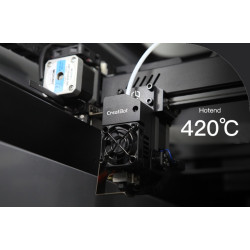
Hotend with temperature up to 420 °C
Each extruder is equipped with a fully metal high-temperature hotend, which heats up to 420 °C. This temperature reserve allows using not only standard materials for everyday printing but also a wide range of modern engineering polymers used in industry.
CreatBot D400 HS supports working with PLA, PETG, ABS, ASA, TPU, Nylon, PC, PP, as well as composite plastics reinforced with carbon or glass fiber. This makes the printer a universal tool for both creating demonstration prototypes and manufacturing functional parts that operate under mechanical loads or in high-temperature conditions.
The ability to print with high-temperature materials significantly expands the scope of equipment application — from mechanical engineering and the automotive industry to the production of technological equipment, special devices, and final products.
Dual Nozzle Shutter System
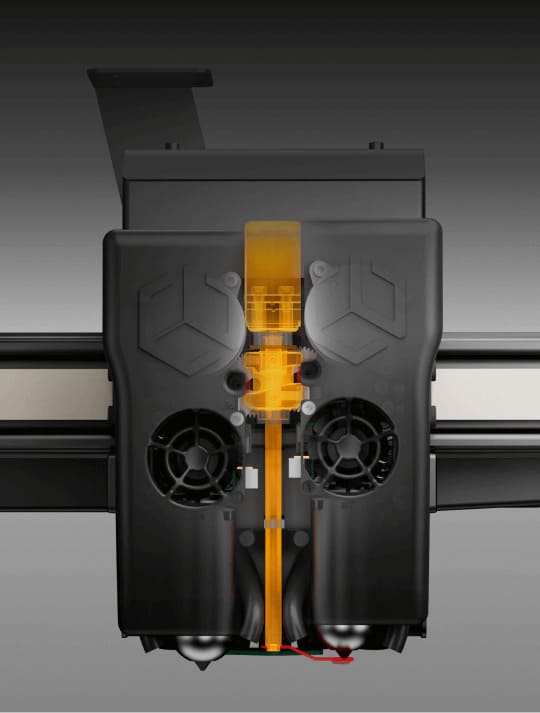
When printing with two materials, it is important not only to quickly switch extruders but also to control the state of the inactive nozzle. For this, CreatBot D400 HS uses the proprietary technology Dual Nozzle Shutter, which automatically closes the nozzle with a special mechanical shutter after its work is completed.
In regular dual-extruder printers, molten plastic gradually leaks from the heated nozzle even when it is not involved in printing. This leads to the appearance of strings, material droplets, and contamination of the model surface. Dual Nozzle Shutter practically completely eliminates this problem, ensuring clean switching between materials and a neater surface of the finished product.
The advantage becomes especially noticeable when printing with expensive engineering plastics or using water-soluble supports, where even minor contamination can affect the quality of the final part and increase post-processing time.
Active thermal chamber with temperature up to 70 °C
For printing large products from technical plastics, a high nozzle temperature is not enough. It is equally important to maintain a stable temperature regime inside the print chamber. That is why the CreatBot D400 HS is equipped with a fully active thermal chamber capable of maintaining a temperature of up to 70 °C.
Uniform heating of the internal space significantly reduces the risk of warping large models, improves interlayer adhesion, and minimizes internal material stresses. This is especially important when printing ABS, ASA, Polycarbonate, Nylon, and other engineering polymers sensitive to temperature fluctuations.
Thanks to the heat-insulated body, the temperature is maintained stably throughout the entire print cycle. This allows obtaining more accurate, strong, and geometrically correct parts even during multi-day production processes.
Intelligent control of thermal deformations
During the operation of the active thermal chamber, not only the model but also the structural elements of the printer are heated. Metal nodes, guides, and mechanical components slightly change their geometric dimensions, which can negatively affect print accuracy during long production cycles.
In CreatBot D400 HS, this feature is taken into account at the software level. The system uses intelligent algorithms for compensating thermal deformations, which allow maintaining stable positioning of the print head even after multi-hour heating of the chamber.
In combination with a rigid metal structure, automatic calibration, and modern kinematics, this ensures high repeatability of results, geometric accuracy, and stable print quality regardless of the model size or production process duration.
Automatic calibration of the new generation
One of the key features of the CreatBot D400 HS is the high level of automation in preparation for printing. The printer uses a modern complex of calibration systems that practically completely eliminate the need for manual setup before starting work. This significantly reduces equipment startup time, minimizes the impact of the human factor, and ensures stable print quality regardless of the operator's experience.
The complex of automatic checks controls the position of the print head, the plane of the working surface, and the coordinates of the positioning system. Thanks to this, the printer maintains high accuracy even after prolonged operation or replacement of consumables.
Automatic calibration is especially valuable for production, where equipment operates almost continuously. The operator no longer needs to spend time on regular manual setup — the printer independently performs the necessary checks before printing, minimizing the risk of errors and failed starts.
Eddy current table surface scanning
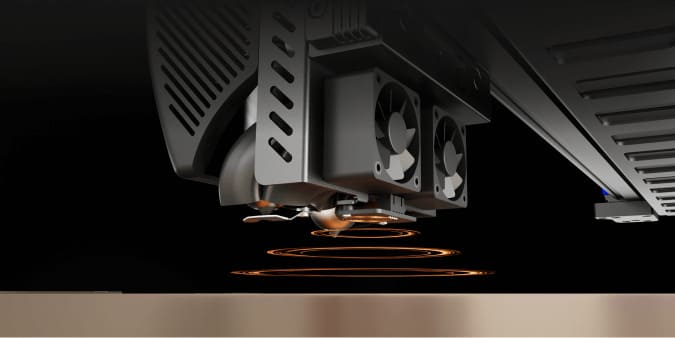
To build the most accurate map of the working surface, the CreatBot D400 HS uses a high-precision eddy current sensor of the new generation. Unlike mechanical sensors, this technology works without physical contact with the platform, which positively affects the system's durability and measurement accuracy.
The accuracy of determining the surface position is up to 0.001 mm, which allows compensating even for minimal unevenness of the print table. After building the digital map, the system automatically corrects the nozzle position across the entire print area, ensuring a uniform first layer regardless of the model size.
This approach is especially important when using a large working area, where even minor height deviations can affect material adhesion and the geometry of the finished product.
Automatic calibration of two extruders using HD camera
For the most accurate dual extrusion operation, the CreatBot D400 HS is equipped with a system for automatic calibration of nozzle offset along the X and Y axes using a built-in HD camera. After installing or servicing the extruders, the printer independently determines their mutual position and performs the necessary adjustment.
Thanks to this, the need for manual setup, which traditionally takes a lot of time and requires operator experience, is eliminated. The automatic system ensures precise alignment of two materials, which is especially important when printing complex models, using water-soluble supports, or multi-color printing.
Precise positioning of the extruders allows achieving neat transitions between materials, reduces the amount of waste, and increases repeatability of results in serial production.
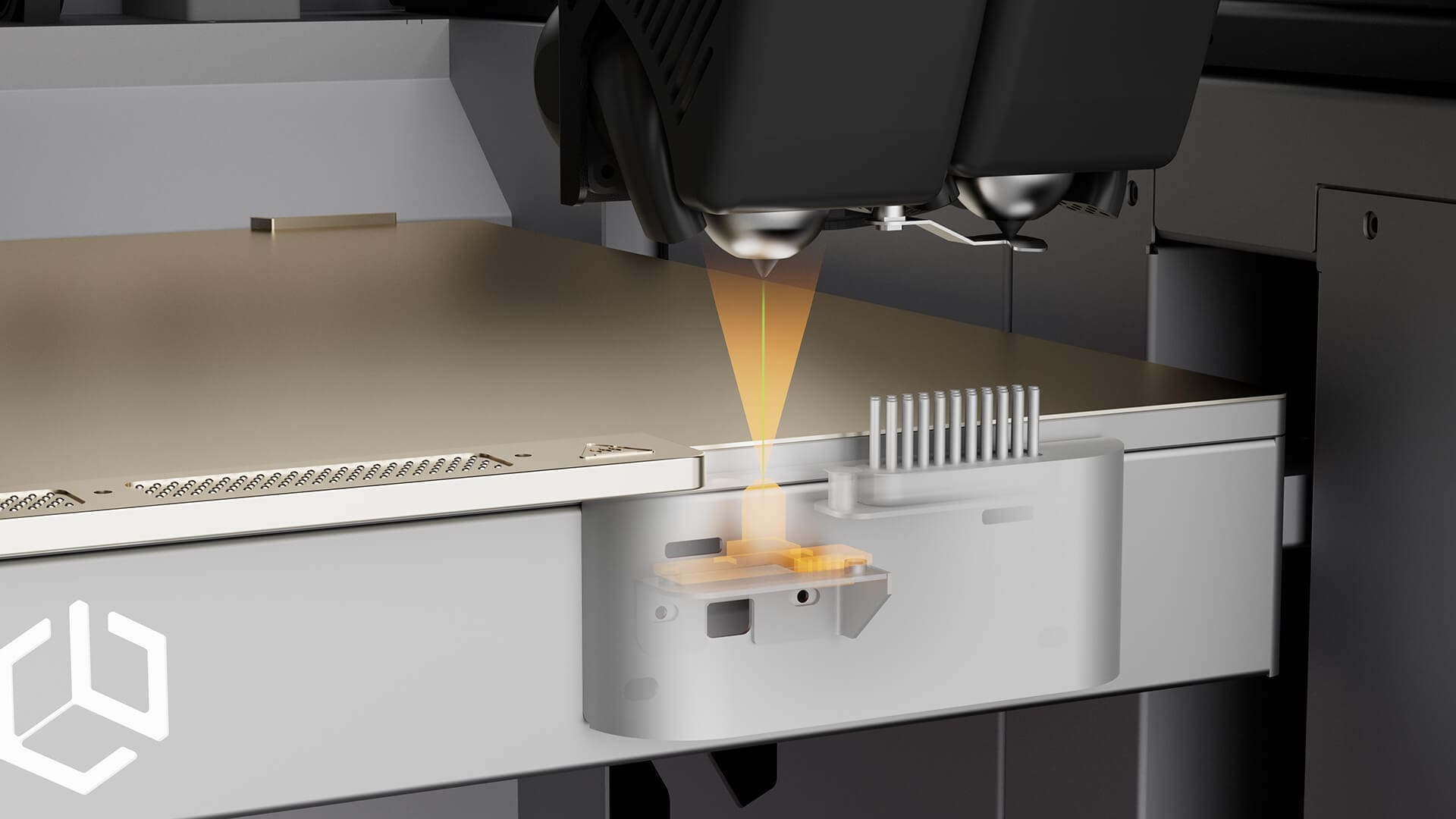
Photoelectric Z-axis calibration
To ensure maximum accuracy of vertical positioning of the print head, the printer uses a dual photoelectric Z-axis calibration system. Unlike traditional mechanical end switches, photoelectric sensors are characterized by high repeatability of measurements and are practically not subject to mechanical wear.
After each equipment startup, the system automatically checks the initial position of the print head, guaranteeing the same reference point for all subsequent operations. This is especially important when printing large-scale products, where even minimal height errors can accumulate over many hours of work.
Automatic Z-axis calibration increases the stability of the first layer, improves print repeatability, and allows obtaining equally accurate results regardless of the equipment's operating duration.
External model cooling system
When printing different materials, different cooling modes are required. That is why the CreatBot D400 HS is equipped with an external model blowing system, which provides effective cooling of printed layers without disrupting the temperature regime inside the active chamber.
This solution allows simultaneously maintaining the optimal temperature for printing engineering polymers and providing the necessary cooling for materials for which it is critical. Thanks to this, the quality of overhanging elements, bridges, thin walls, and other complex geometric areas of the model is improved.
Cooling intensity control is carried out automatically according to the print parameters, allowing achieving the optimal balance between product strength, surface quality, and the speed of forming each layer.
HEPA + Active Carbon air purification system
During printing with technical plastics, fine particles and volatile organic compounds can form. To create more comfortable working conditions, the CreatBot D400 HS is equipped with a multi-level air purification system that combines a HEPA filter and an activated carbon filter.
The HEPA filter effectively traps the smallest solid particles, while activated carbon helps reduce the concentration of odors and volatile compounds formed during printing with certain materials. This makes equipment operation more comfortable both in production facilities and in laboratories, educational institutions, or design bureaus.
The closed design of the printer, combined with an effective filtration system, helps maintain a clean working environment and increases the safety of equipment operation during long production cycles.
Remote control and print monitoring
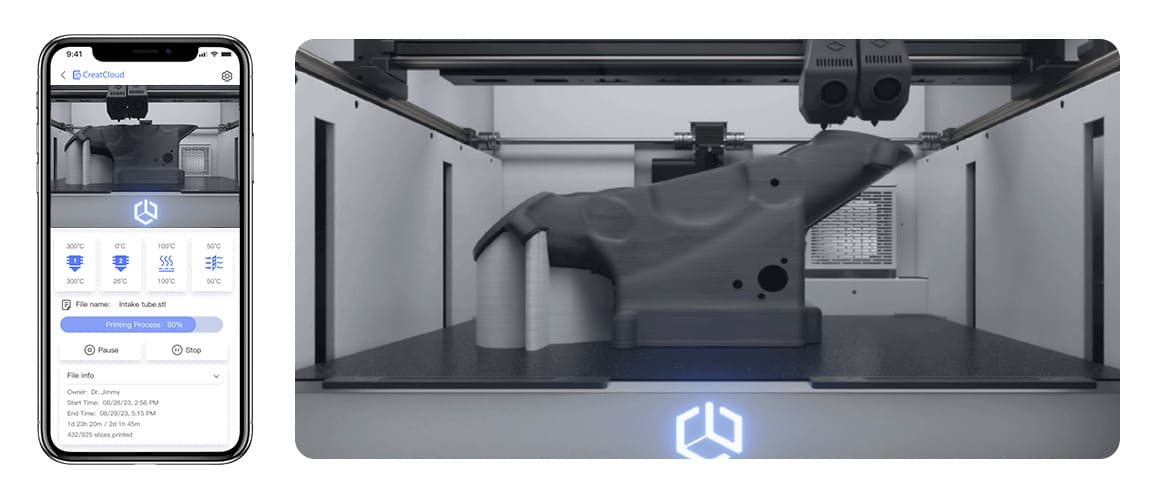
CreatBot D400 HS supports modern connection methods via Wi-Fi and LAN, allowing integrating the printer into the enterprise's corporate network or organizing centralized control of multiple devices simultaneously.
The user can start printing, monitor equipment status, track task progress, and control operating parameters via a computer or mobile application. This is especially convenient for enterprises where several 3D printers are used simultaneously or printing continues continuously for several days.
The ability to remotely monitor allows promptly responding to changes in equipment status, optimizing the production process, and using resources more efficiently without the need for constant operator presence near the printer.
Wide compatibility with materials
One of the main advantages of the CreatBot D400 HS is the ability to work with almost all popular FDM plastics — from standard materials for rapid prototyping to high-temperature engineering polymers used in industrial production.
A hotend with a maximum temperature of 420 °C, a heated print chamber up to 70 °C, a closed body, and a stable material feed system create optimal conditions for printing even with the most demanding plastics. This allows using one printer to solve a wide variety of production tasks without the need to purchase separate equipment for each type of material.
CreatBot D400 HS supports working with the following materials:
- PLA
- PLA-CF
- PETG
- PET-CF
- ABS
- ASA
- TPU
- PP
- PP-CF
- Nylon (PA)
- PA-CF
- UltraPA-CF
- PC (Polycarbonate)
- PC-CF
- PPS-CF
- HIPS
- PVA and other soluble support materials
Supporting such a wide range of materials allows printing both demonstration models and fully functional parts for real use, including tooling, housings, mechanical nodes, templates, jigs, fixtures, and other industrial products.
Applications of CreatBot D400 HS
Thanks to its large print area, high productivity, and support for engineering polymers, the CreatBot D400 HS is used in various industries and professional activities. The printer allows quickly transitioning from a digital model to a finished part, reducing the development time of new products and lowering the costs of traditional manufacturing.
- Mechanical engineering and industrial production.
- Automotive industry.
- Aerospace and aviation industry.
- Research laboratories.
- Design bureaus.
- Educational institutions and technical universities.
- Production of technological equipment.
- Creation of functional prototypes.
- Small-scale production of finished products.
The ability to print large parts without assembling separate elements makes the D400 HS especially effective for manufacturing housing parts, production templates, molds, assembly fixtures, ergonomic models, as well as spare parts that can be used directly after printing.
Package Contents
| 3D Printer | CreatBot D400 HS |
| Print Platform | Installed |
| Dual Extruder | Installed |
| Spool Holder | Yes |
| Tool Kit | Yes |
| Power Cable | Yes |
| Documentation | User Manual |
Technical Specifications of CreatBot D400 HS
| Parameter | Value |
| Printing Technology | FDM / FFF |
| Body Type | Closed |
| Extruder Type | Lightweight Smart Dual Extruders with auto nozzle lifting |
| Number of Nozzles | 2 |
| Filament Diameter | 1.75 mm |
| Standard Nozzle | 0.6 mm |
| Supported Nozzles | 0.3 / 0.4 / 0.6 / 0.8 / 1.0 mm |
| Min. Layer Height | 0.05 mm |
| Max. Nozzle Temperature | 420 °C |
| Hotend Heating Speed | Up to 400 °C in 2 minutes |
| Thermostat Accuracy | ±0.15 °C |
| Max. Platform Temperature | 120 °C |
| Max. Chamber Temperature | 70 °C |
| Max. Printing Speed | 300 mm/s |
| Max. Volumetric Productivity | 90 mm³/s |
| Working Surface | Aviation aluminum plates with magnetic removable coating |
| Max. Print Area | Single extrusion: 420 × 400 × 420 mm Dual extrusion: 365 × 400 × 420 mm |
| Automatic Platform Leveling | Yes |
| Table Calibration Sensor | Eddy Current |
| Table Leveling Accuracy | 0.001 mm |
| Full Table Calibration Time | 60 seconds |
| Guides | Reinforced industrial linear rail on the X-axis |
| XY Positioning Accuracy | 0.00375 mm |
| Z Positioning Accuracy | 0.00156 mm |
| Nozzle Offset Technology | XY axes: HD Camera Dual Nozzle Offset Z axis: Dual Photoelectric Sensor |
| Plastic Leakage Protection | Mechanical nozzle shutters |
| Material Monitoring/Control | Filament end sensors + Continuous Print Mode Backup Mode |
| Filament Drying Chamber | Built-in compartment with controlled heating up to 55 °C |
| Air Filtration System | Two-stage: HEPA + activated carbon |
| Print Monitoring Camera | Built-in HD camera with AI image recognition functions |
| Display | 7-inch full-color touchscreen |
| Control Firmware | Klipper |
| Software (Slicers) | CreatWare, OrcaSlicer, Cura, Slic3r |
| Supported File Formats | Input: STL, OBJ, AMF Print Code: GCODE |
| Compatible OS | Windows, macOS |
| Connection Interfaces | USB drive / Wi-Fi / LAN |
| Safety Features | Door opening sensor with lock |
| External Model Cooling | Yes |
| Device Dimensions | 785 × 700 × 985 mm |
| Device Weight | 110 kg |
| Packaging Dimensions | 830 × 760 × 1090 mm |
| Weight in Packaging | 140 kg |
Frequently Asked Questions
Is the CreatBot D400 HS suitable for continuous production?
Yes. The printer's design is developed for long-term 24/7 operation. A rigid metal frame, automatic calibration systems, and industrial components ensure stable printing even during multi-day production cycles.
What materials can be used?
The printer supports printing with most modern FDM plastics, including PLA, PETG, ABS, ASA, TPU, Nylon, Polycarbonate, PP, as well as composite materials with carbon or glass fiber reinforcement.
Can soluble supports be printed?
Yes. The dual extruder allows using PVA or other soluble support materials for printing complex geometric models.
For which enterprises is this model suitable?
The CreatBot D400 HS is an optimal choice for mechanical engineering enterprises, industrial equipment manufacturers, the automotive industry, research laboratories, design bureaus, and companies engaged in professional prototyping or small-scale production.
-250x250w.jpg "3D printer CreatBot F 1000")


-250x250.jpg "3D printer CreatBot D600 Pro")