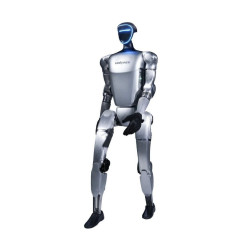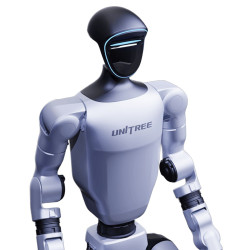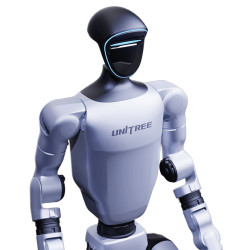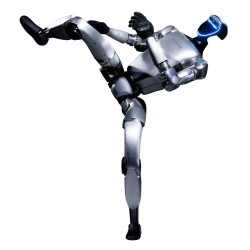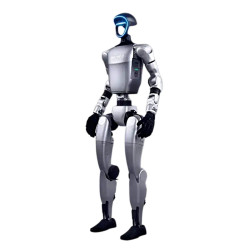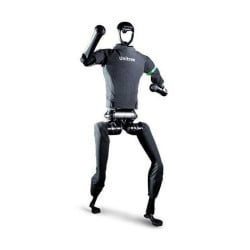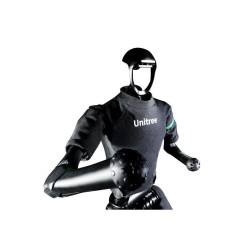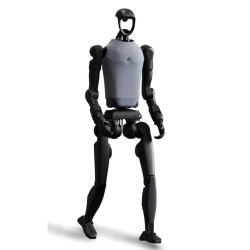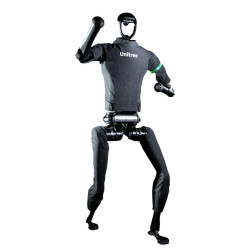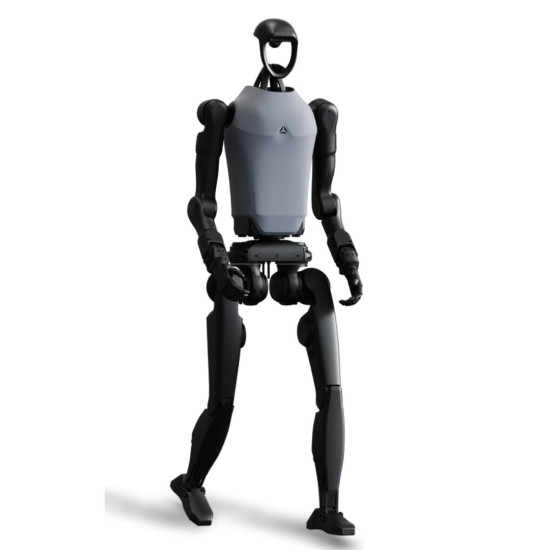
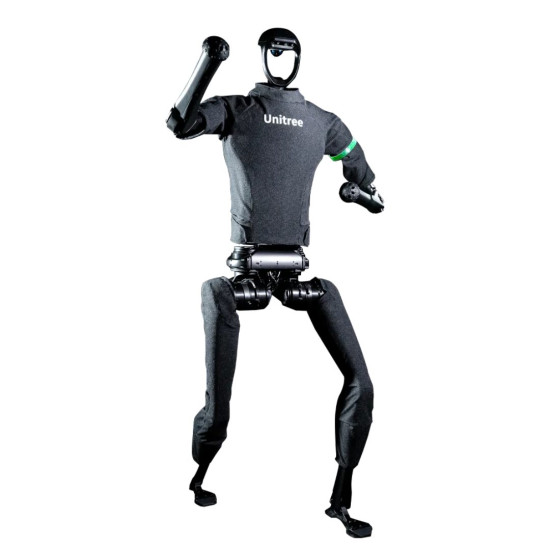
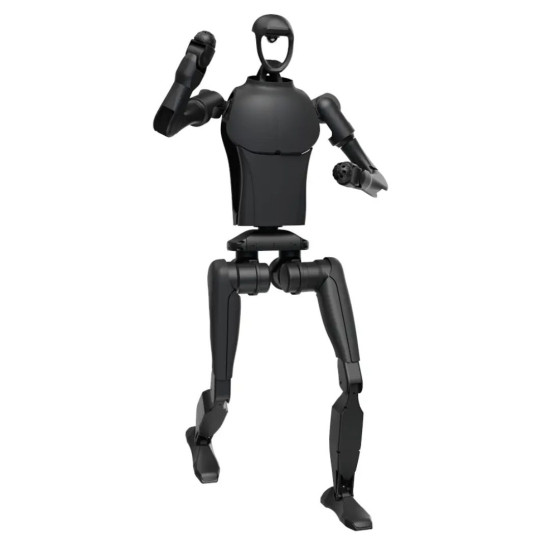
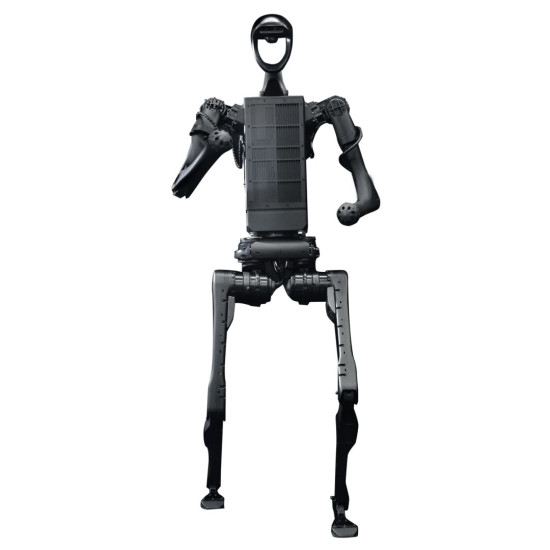


Unitree H1-2: Humanoid Robot 178 cm Tall
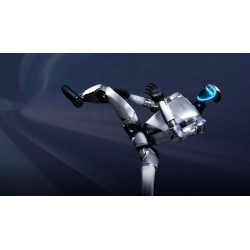
The Unitree H1-2 humanoid robot has brought significant changes. The world of robotics is no longer standing still, it is running – and it does so at a speed of 3.3 m/s. This is the bar set by the Unitree H1, China's first full-size universal humanoid robot capable of full-speed running. It is not just a showpiece, but a technological breakthrough embodied in metal and composites, ready to solve the most complex tasks in industry and service. We present the next, even more advanced modification: H1-2. Let's explore its features!
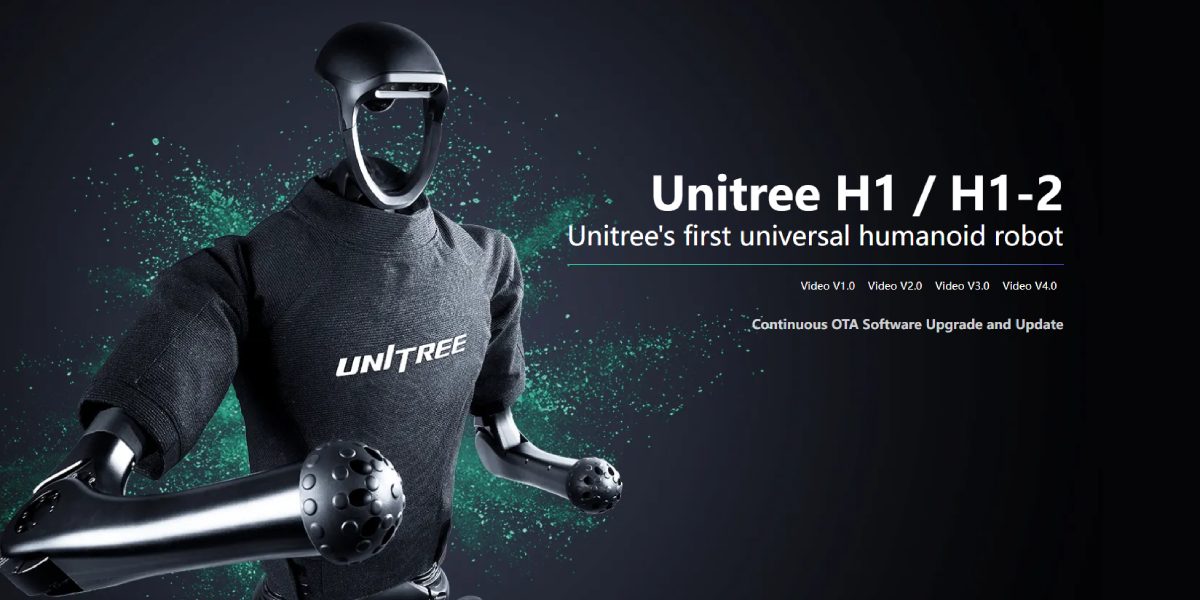
Power and Intelligence in Every Movement
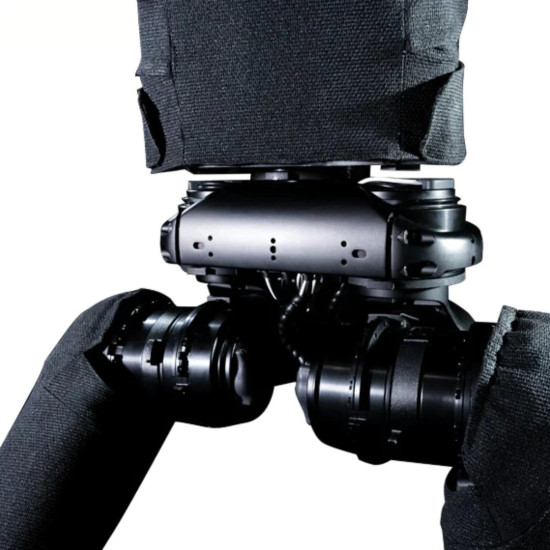
One of the key features is the use of PMSM motors (permanent magnet synchronous motors) with a hollow rotor. This provides a phenomenal response speed and efficient heat dissipation – the robot does not "get tired" or overheat under long-term loads. Industrial cross-roller bearings in the joints guarantee high precision and durability even during intensive operation under load.
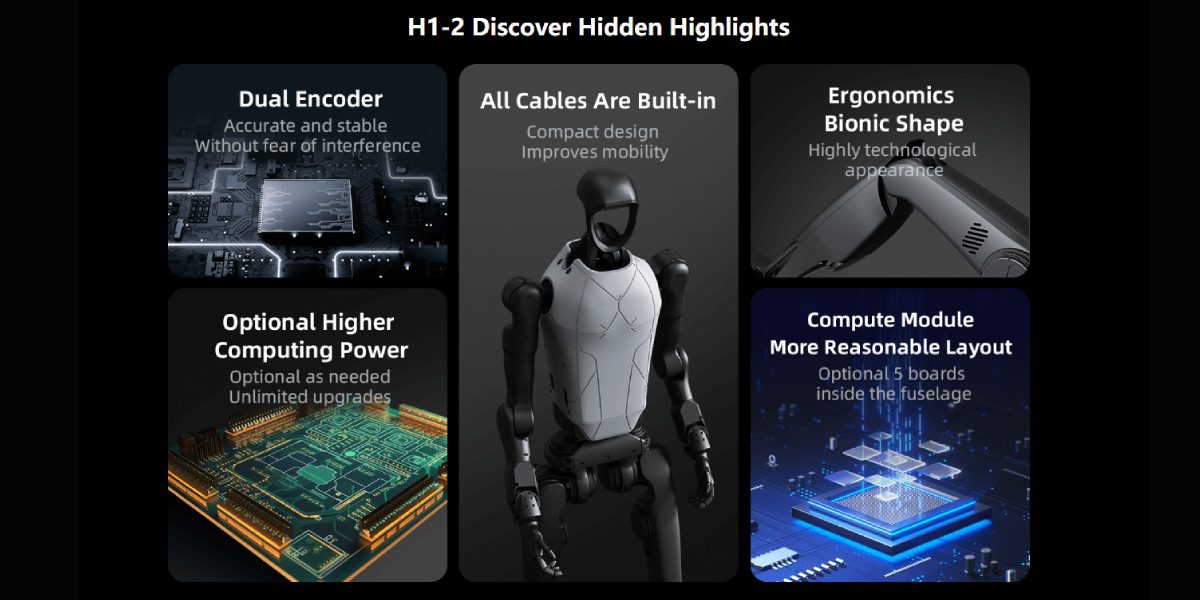
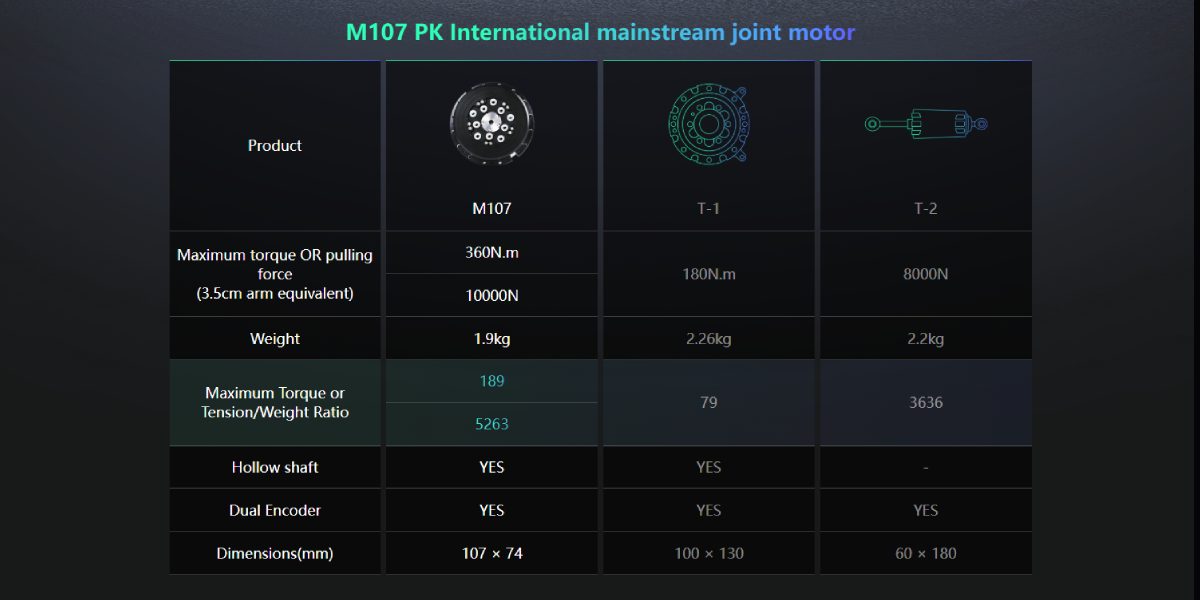
Innovative power units have become the heart of both versions – H1 and the updated H1-2. The use of Unitree M107 engines made it possible to achieve an incredible torque density of 189 N·m/kg. What does this mean in practice? The robot possesses explosive power while maintaining filigree precision of movements.
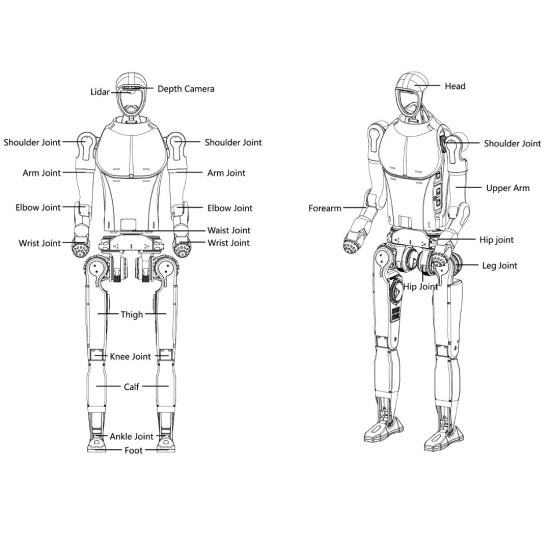
The H1-2 model has taken a huge step forward in terms of mobility. While in the basic H1 version we see 5 degrees of freedom for each leg, in the H1-2 there are already 6. An additional degree of freedom in the ankle and expanded hand capabilities (up to 7 degrees of freedom for each) turn the robot into a universal tool.
Now the Unitree H1 humanoid robot is capable not only of moving but also of manipulating objects with dexterity close to human. The maximum knee joint torque of 360 N·m allows the robot not only to stand firmly on its feet but also to overcome obstacles that were previously considered impassable for bipedal systems.
Vision and Spatial Orientation
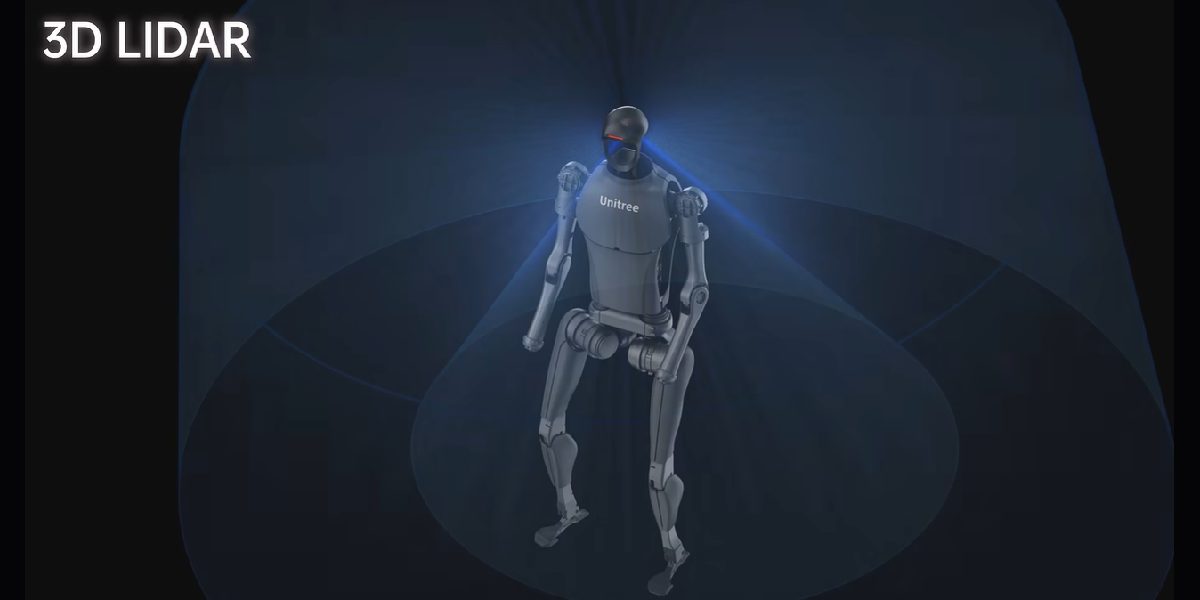
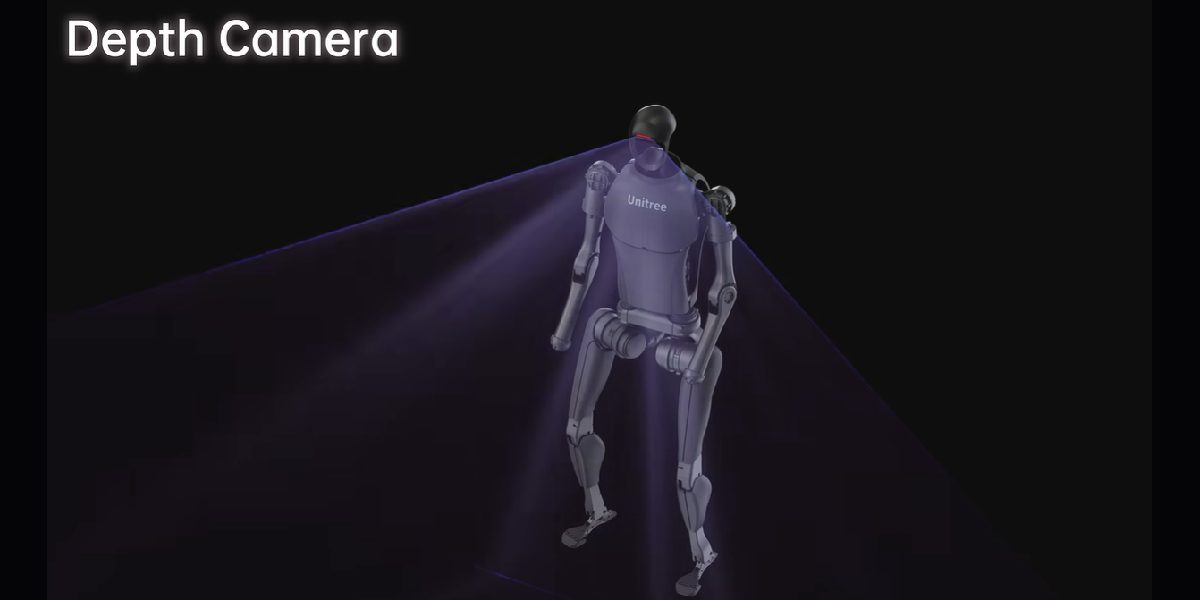
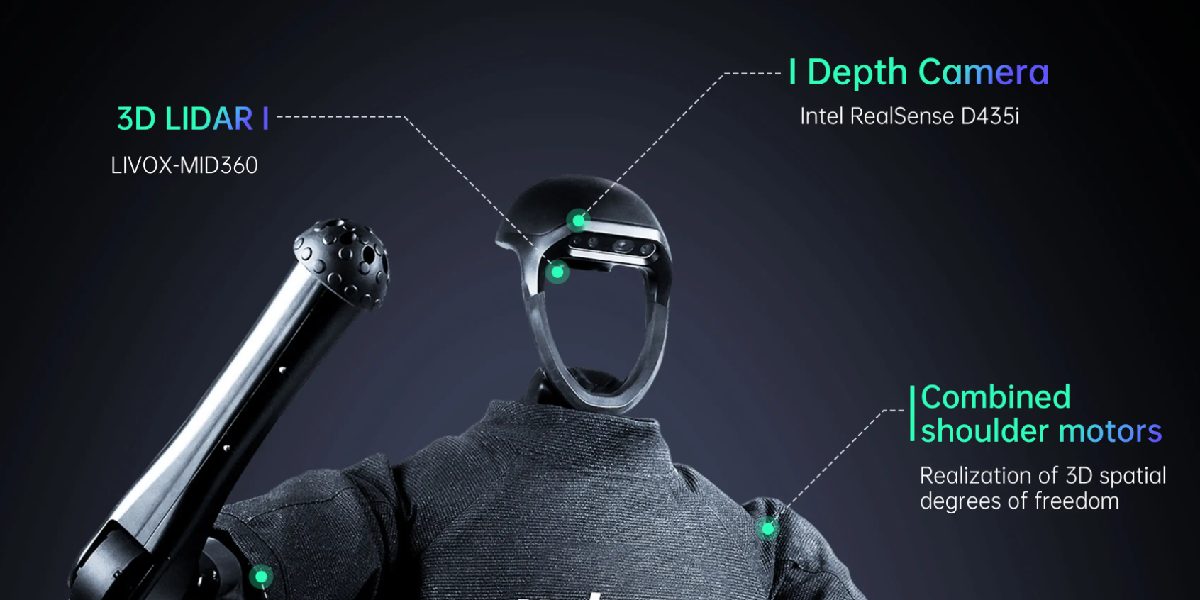
To work in the real world, it is not enough for a robot to be strong – it needs to see and understand its surroundings. Unitree engineers have equipped their models with a 360° panoramic scanning system. The combination of 3D LiDAR and a depth camera allows for receiving high-precision spatial data in real-time.
This is critically important for autonomous movement across complex rugged terrain. The robot literally "feels" every bump and hollow, instantly adjusting its step. At the same time, computing power is provided by Intel Core i5 and i7 processors, and for deep learning tasks and complex vision, there is the possibility of installing up to three Nvidia Jetson Orin NX modules in the H1-2 model. Such an architecture makes industrial humanoid robots not just executors, but intelligent assistants capable of self-learning and adaptation.
Application Areas and Practical Benefits
The combination of a record torque density of 189 N·m/kg and the possibility of expanding computing power to the level of Nvidia Jetson Orin NX makes it an ideal choice for automating the most complex industrial and research tasks. With a stable weight of 70 kg and the ability to operate with peak loads up to 21 kg, this humanoid is ready to take on dangerous and routine work, providing technological superiority to your business today. The capabilities of these machines go far beyond laboratories:
- Industrial Inspection: thanks to the protected design and stable gait, robots can conduct inspections of dangerous or hard-to-reach energy infrastructure facilities.
- Rescue Operations: in conditions of smoke or threat of collapse, where human participation involves unjustifiable risk, Unitree can become the "first echelon" of reconnaissance.
- Logistics and Service: the peak payload capacity of the hands up to 21 kg opens doors for automating warehouse processes that require the flexibility of the human body.
The use of such a robot is a real increase in personnel safety and operational efficiency. The possibility of quick battery replacement with a capacity of 864 Wh guarantees minimal downtime in work.
Main Differences Between H1 and H1-2 Models
| Parameter | H1 Value | H1-2 Value |
|---|---|---|
| Running Speed | 3.3 m/s | 3.3 m/s |
| Degrees of Freedom (legs) | 5 for each | 6 for each |
| Battery | 864 Wh | 864 Wh |
Technical Specifications of the Unitree H1-2 Robot
| Model | Unitree H1-2 |
| Type | Full-size universal humanoid robot |
| Height | ~178 cm |
| Mass | ~70 kg |
| Number of Degrees of Freedom (DoF) | 27 |
| Maximum torque in arm joints | 120 N·m |
| Maximum torque in leg joints | 360 N·m |
| Peak specific torque density | 189 N·m/kg |
| Perception system | 3D LiDAR + depth camera (360°) |
| Leg length (thigh + shin) | 400 mm × 2 |
| Total arm length | ~685 mm |
| DOF of one leg | 6 (3 — pelvis, 1 — knee, 2 — ankle) |
| DOF of one arm | 7 (3 — shoulder, 1 — elbow, 3 — wrist) |
| Dimensions (approx.) | (1503+285) × 510 × 287 mm |
| Bearing type | Industrial cross-roller |
| Drives | Unitree M107 motors |
Why Choose Unitree H1-2?
It is important to understand that modern Unitree Robotics is an open platform. Users can choose the computer configuration for their tasks, whether it's simple navigation or complex algorithms for interacting with objects through optional dexterous hands (Dexterous Hand).
Despite the fact that the humanoid industry is in a stage of active development, Unitree already offers a ready-made tool for those who want to be at the forefront of progress. This is a civilian robot that requires a responsible attitude but opens up almost limitless possibilities for automation where previously exclusively human labor was required.
Don't miss the opportunity to integrate the future into your processes – choose Unitree H1-2 to achieve maximum efficiency and safety. Have questions? Call us, our experts will help you choose a robot for highly specialized tasks.