






- Stock: In Stock
- Product code: 827588000000923688
- Weight Brutto: 0.90kg
- SKU: [S]5.11.01070A01

More from this brand


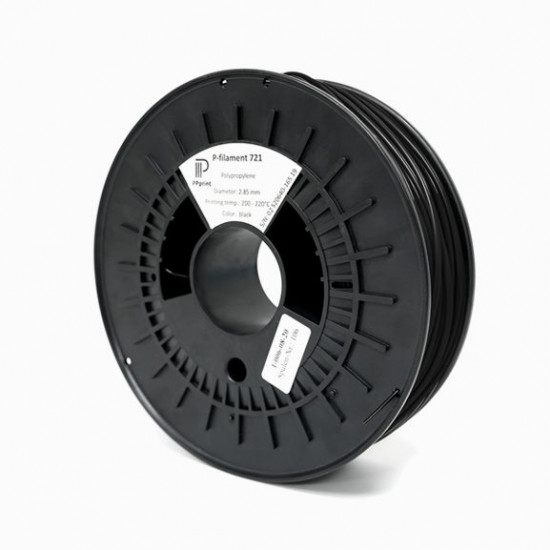
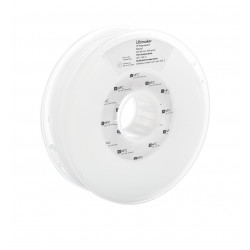
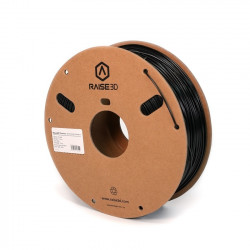
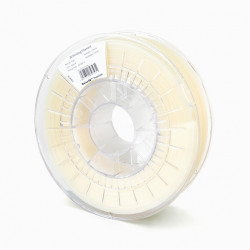
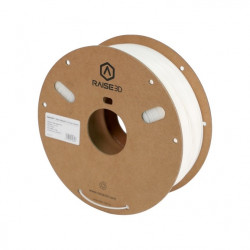
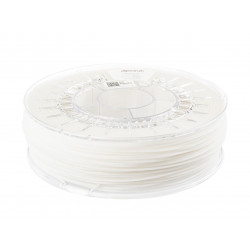
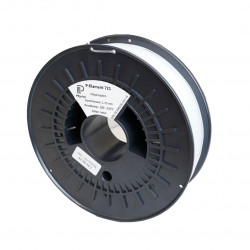
Polypropylene P-filament 721 for Raise3D 3D printer
Polypropylene for 3D printer P-filament 721 by PPrint is selected and certified by Raise3D specialists for 3D printing on Raise3D printers.
PP (Polypropylene) is a thermoplastic 3D printing filament that is widely used in everyday life because it is flexible, strong, tear-resistant and fatigue-resistant. Due to its low density, PP is excellent for lightweight structures. Parts printed with PP are good for twisting, bending or crumpling. It is a functional thread with a wide range of applications, as polypropylene is widely recognized as a safe material for the production of food, chemical and medical applications, including orthopedic use. Due to its lightness and low friction characteristics.
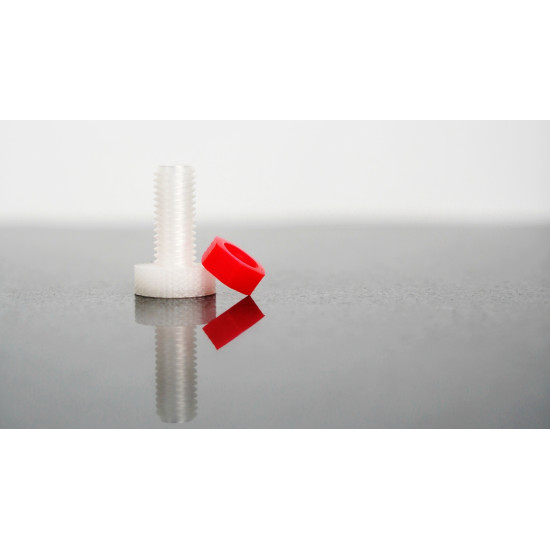
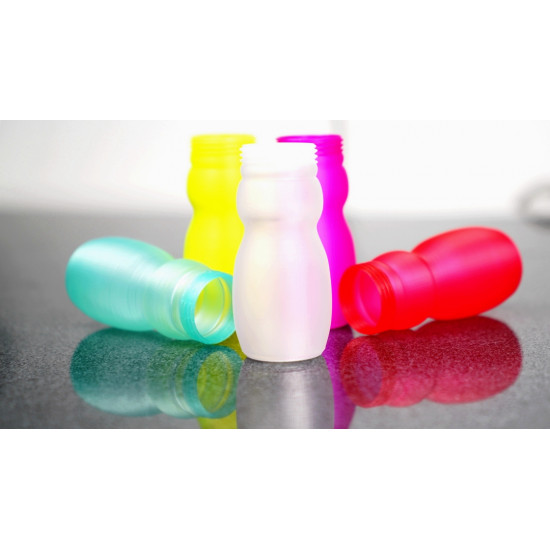
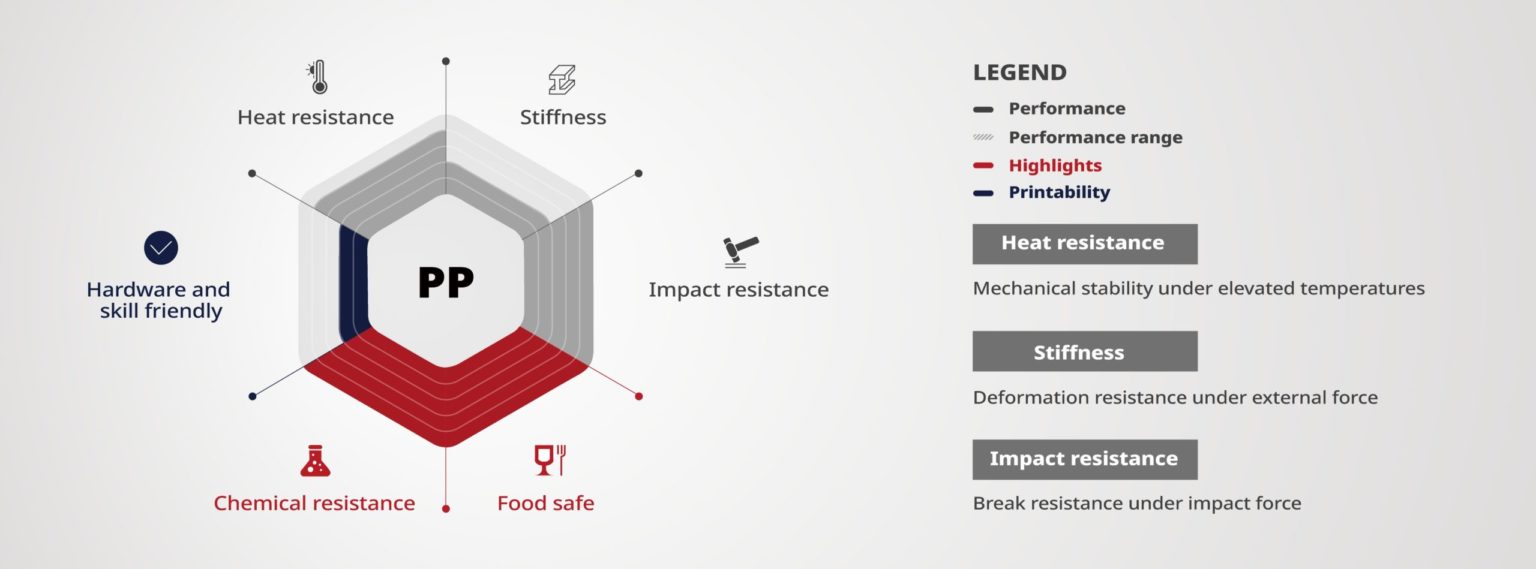
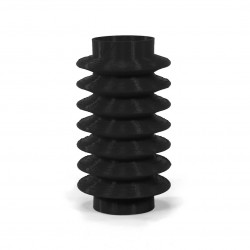
Polypropylene-based P-filament 721 prints well, providing excellent 3D printer performance with low distortion and shrinkage combined with extremely high layer adhesion. Parts printed with P-filament 721 are very resistant to tearing, have excellent mechanical properties, excellent chemical resistance and temperature stability, low friction resistance. A variety of applications can be implemented, from technical components to individual decorative and artistic objects to toys. The food safety of the used PP raw material opens up additional possibilities.
Polypropylene PPrint characteristics
- Excellent durability and toughness
- Chemical resistance
- Food safe
- Lightweight
- Semi-flexible and break-resistant
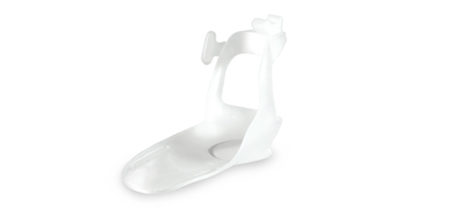
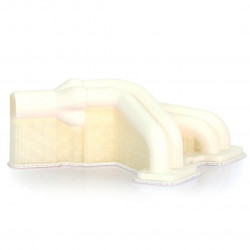
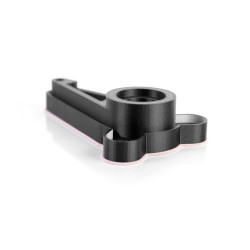
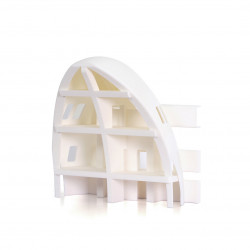
Application of PPrint P-filament 721 plastic
|
|
Recommended printing parameters with P-filament 721
| Nozzle temperature 210 - 230 °C |
| Bed temperature 25 - 80 °C |
| Layer height 0,15 - 0,25 mm |
| Print speed 35 - 70 mm/s |
| Cooling fan Turned on |




Features of printing with polypropylene P-filament 721:
- It is recommended to dry the material in PrintDry at 60 - 70 °C for 24 hours before 3D printing for better adhesion of the layer and to minimize distortion.
- Preheat: Heat the bed to 90 °C for 15 - 20 minutes before printing.
- It is recommended to print in a closed chamber, heating the chamber to 65 - 80 °C.
- To apply the first layer, use a special BuildTak or P-surface 141 printing surface, or Magigoo PP glue.
- For better adhesion to the bed, it is strongly recommended to use edges or a raft.
- Avoid dense and rectangular infill to prevent distortion caused by PP crystallization.
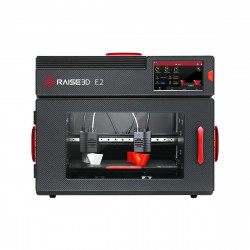
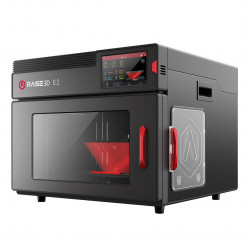

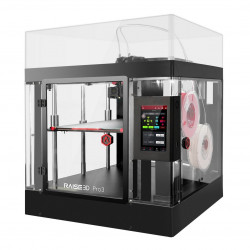
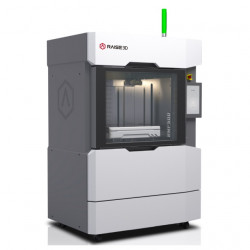
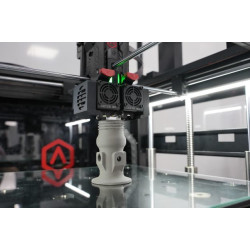
-250x250.jpg "3D printer Raise3D Pro2")

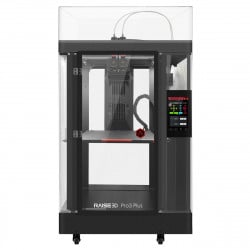
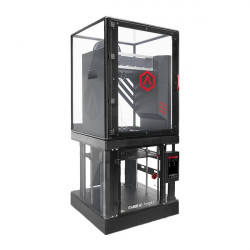
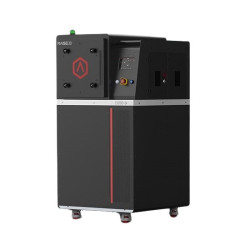
-250x250.jpg "3D printer Raise3D Pro2 Plus")







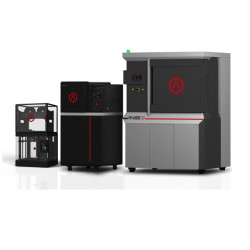
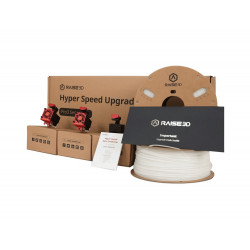






-250x250w.jpg "3D printer UltiMaker S8 Pro Bundle")