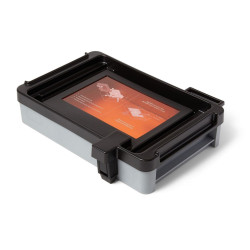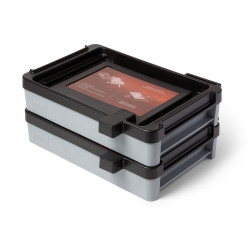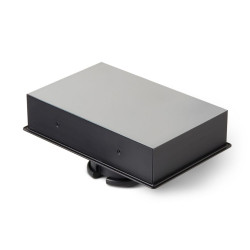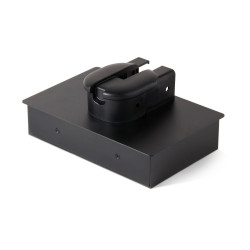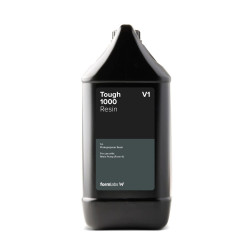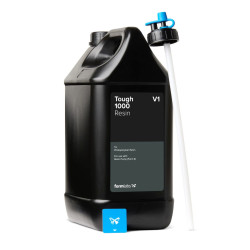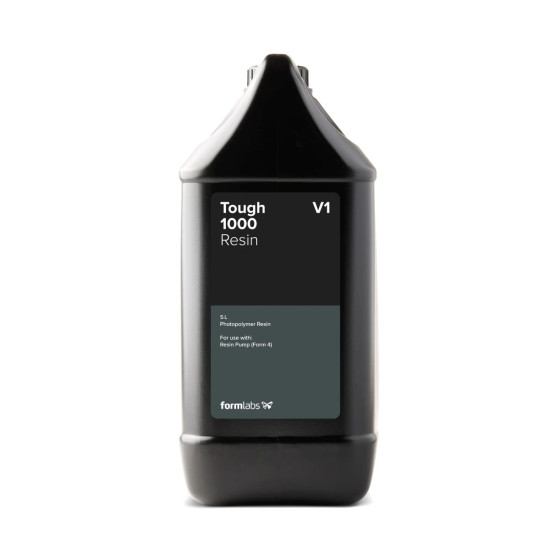
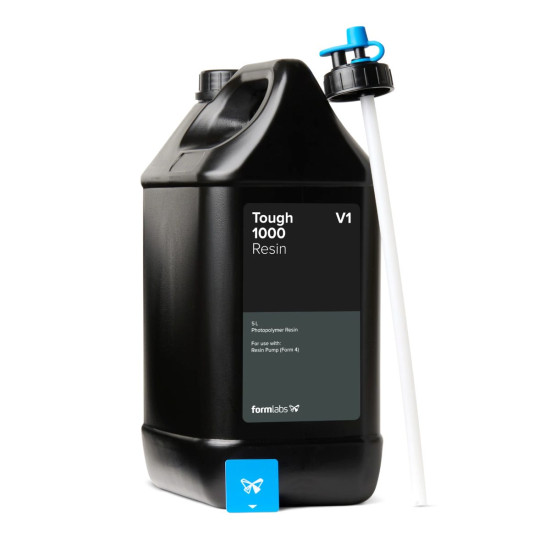


- Stock: In Stock
- Product code: 827588000001592026
- Weight Brutto: 5.30kg
- SKU: RS-RPS-TO10-01

More from this brand


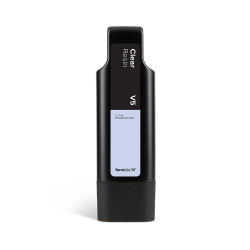
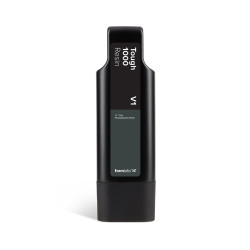
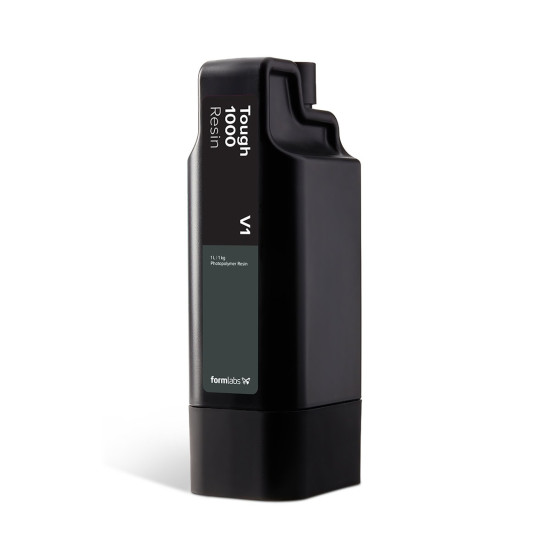
Formlabs Tough 1000 Resin — Reliability and Durability for Functional Parts
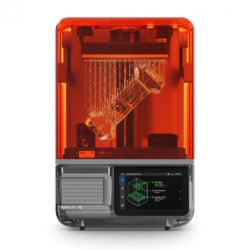
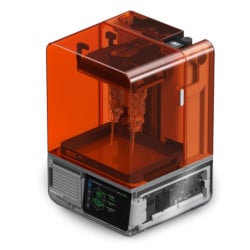
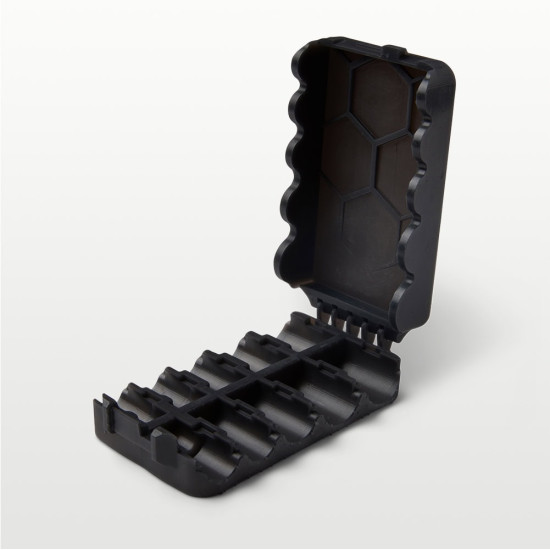
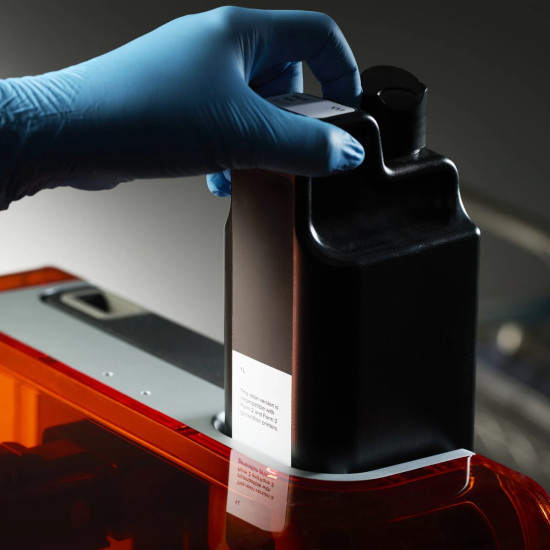
Formlabs, a leader in additive manufacturing, presents Tough 1000 Resin — a breakthrough material that sets a new standard in 3D printing functional and durable parts. This innovative photopolymer is designed to provide properties comparable to the widely used high-density polyethylene (HDPE), known for its exceptional strength and resistance to wear. Developed to achieve high strength, stiffness, and impressive resilience, Tough 1000 Resin is the ideal choice for engineers and designers who need parts capable of withstanding significant loads, impacts, and repeated wear cycles. The material is specifically optimized for use with Form 4 series printers, guaranteeing maximum efficiency, precision, and stability in the 3D printing process.
Engineering Reliability: Wear Resistance and Minimal Friction
High Ductility and Impact Strength
Tough 1000 photopolymer is engineered to noticeably outperform traditional engineering plastics. The material boasts an impressive elongation at break — up to 180% — and a Gardner impact strength of 128 inch-pounds, making it an optimal choice for parts that need to repeatedly flex, compress, or deform without the risk of failure. In these characteristics, it surpasses even standard HDPE. The new formula leverages the advantages of the Form 4 platform: fracture toughness is increased by 5 times, elongation at break by 2 times compared to Durable Resin, and it also features improved heat deflection, creep resistance, and durability metrics. The product is available in two volumes: 5 liters and 1 liter.
Outstanding Fatigue and Wear Resistance
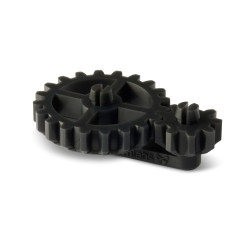
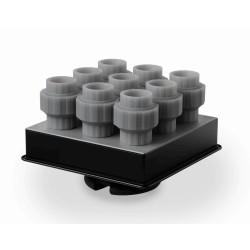
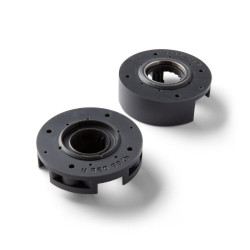
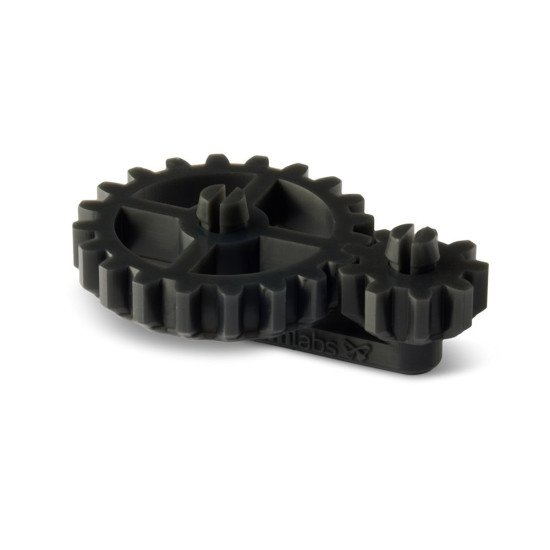
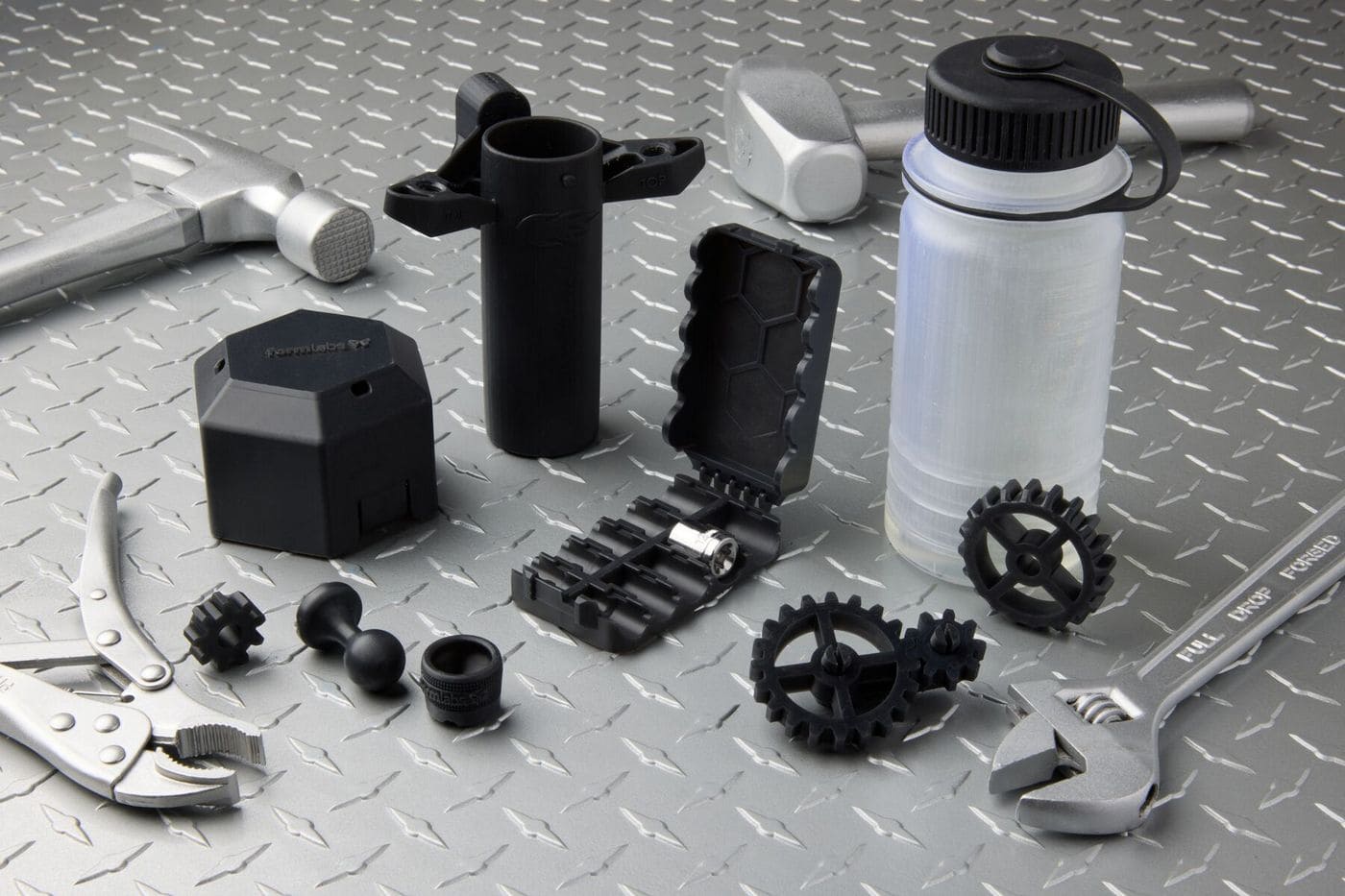
This photopolymer is designed for effective performance under constant mechanical stresses. Functional elements — such as hinges or flexible mechanisms — are capable of withstanding prolonged cycles of repetitive stress due to a high work of fracture, reaching 3200 J/m², and a Ross fatigue rating of over 100,000 cycles at 23 °C. Additionally, the material possesses sliding properties comparable to Delrin (POM), which provides a naturally low coefficient of friction and high wear resistance. Thanks to this, the photopolymer is particularly well-suited for assemblies with sliding surfaces — such as gears, hinges, and various types of fasteners, where minimizing friction, scratches, and abrasion is important.
Areas of Application for Tough 1000 Photopolymer
Reliability for High-Stress Parts
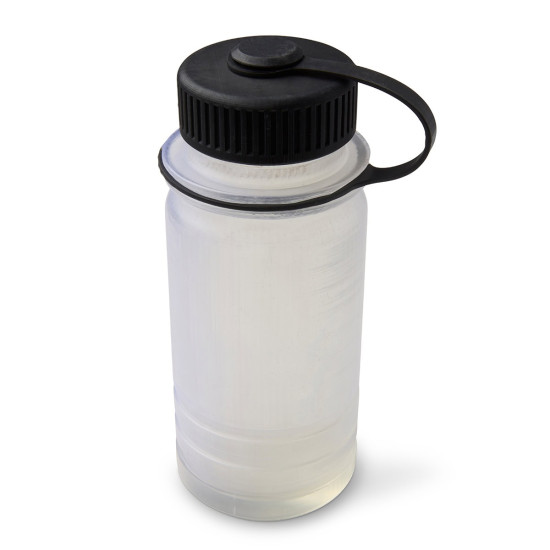
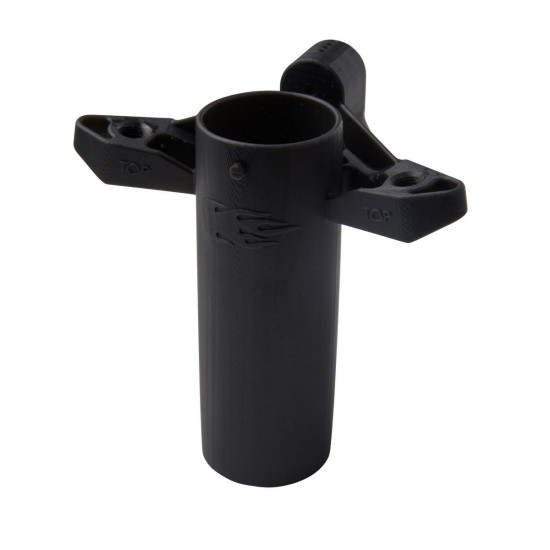
The combination of strength, stiffness, and high ductility makes Tough 1000 Resin a versatile engineering material. Its environmental stability helps prevent warping and sagging of parts, including those with complex geometries, ensuring reliability in final use. This photopolymer is recommended for the following tasks:
- Components requiring a strength and stiffness profile comparable to HDPE.
- Impact-resistant jigs and fixtures designed for long-term use in production environments.
- Flexible elements and mechanisms capable of withstanding multiple bending cycles.
- Low-temperature assemblies and durable sliding surfaces — such as hinges or elements subjected to constant friction.
Key Mechanical Properties
| Photopolymer | Tough 1000 Resin | HDPE, Extruded Sheet, McMaster-Carr |
|---|---|---|
| Ultimate Tensile Strength | 26.3 MPa | 30 MPa |
| Tensile Modulus | 932 MPa | 1000 MPa |
| Elongation at Break | 180% | 100% |
| Gardner Impact Strength at 1/32” (0.8 mm) | 13.1 J | 5.4 J |
| Work of Fracture | 3200 J/m² | Not tested. According to literature, ~5000-6000 J/m² |
| Heat Deflection Temperature at 0.45 MPa | 55.3 °C | Not tested. According to literature, ~70-90 °C |
Post-Processing Recommendations
For parts to achieve their full strength and functionality, post-processing of engineering and specialty photopolymers, including Tough 1000 Resin, is essential. The process, which completes the chemical reaction, requires a post-curing unit (or an equivalent) such as Form Cure V2. Before curing, the main step is washing: excess photopolymer must be removed by washing with alcohol or ether. For the best surface finish, Formlabs recommends allowing washed parts to air dry for at least 30 minutes before handling or proceeding to the curing stage.
Tough Photopolymers Comparison
| Photopolymer | Key Characteristics | Comparable Thermoplastic | Recommended Applications |
|---|---|---|---|
| Tough 1000 Resin | Strongest and most ductile |
|
|
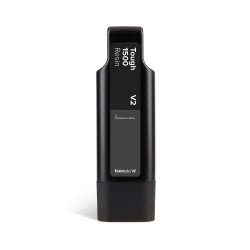
| Tough 1500 Resin V2 | A balanced blend of stiffness and flexibility |
|
|
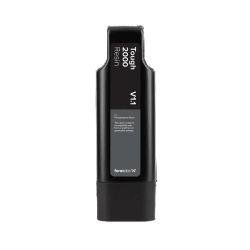
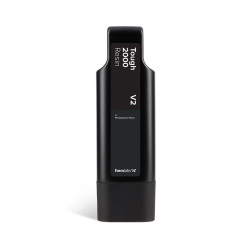
| Tough 2000 Resin V2 | Strongest and stiffest |
|
|
Why Purchase Formlabs Materials from Center 3D Print?
By choosing C3D, you ensure you have high-quality materials for your 3D printer. As official Formlabs partners, we provide optimal pricing, genuine warranty, and certified service support for Tough 1000 Resin. You can also count on expert recommendations, over ten years of experience from our team, and comprehensive professional support — during the selection stage, at the time of purchase, and afterward.