

- Stock: In Stock
- Product code: 316L
- Weight Brutto: 4.00kg

More from this brand


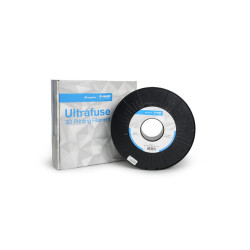
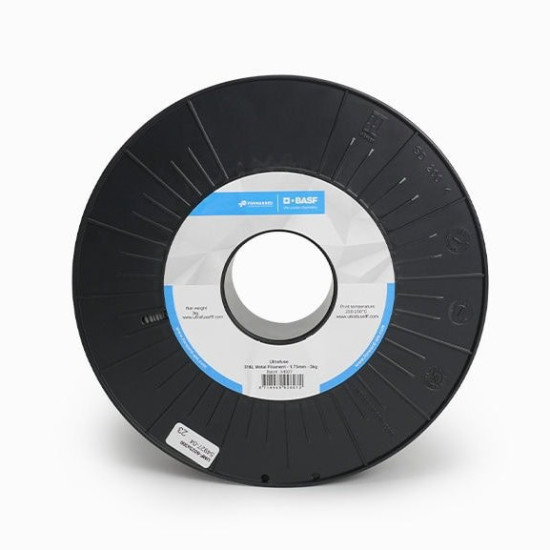
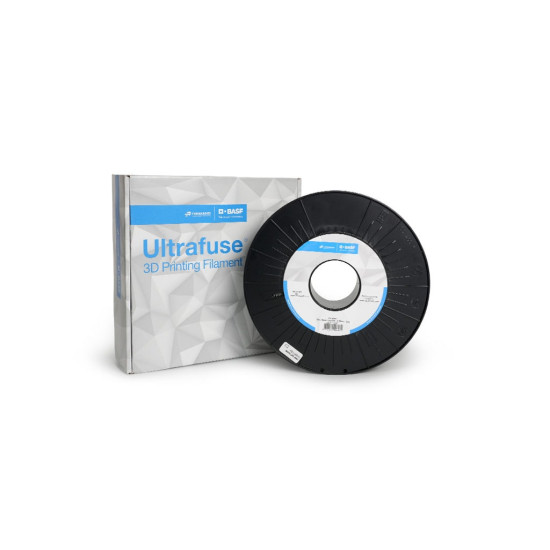
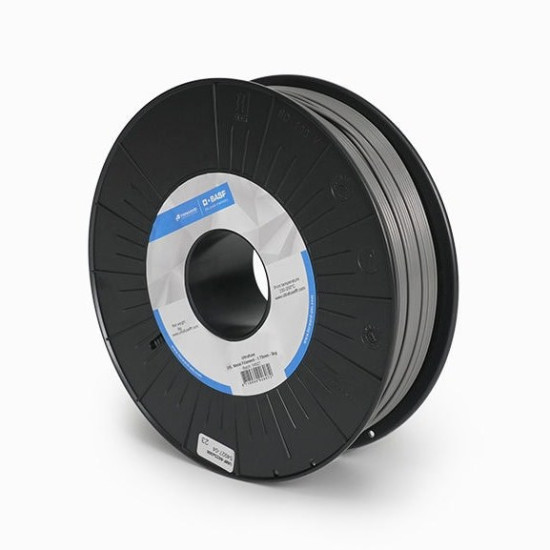
Ultrafuse® 316L – 3D Metal Printing
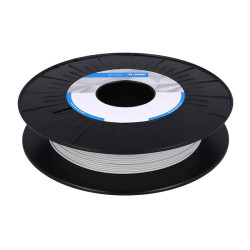
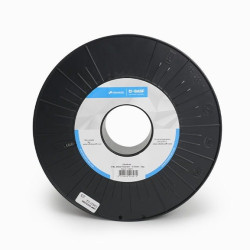
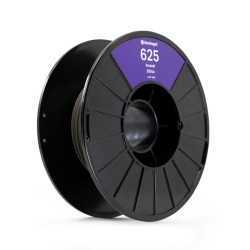
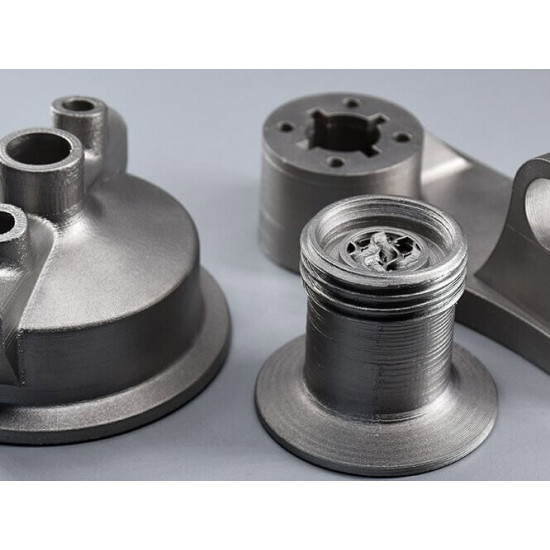
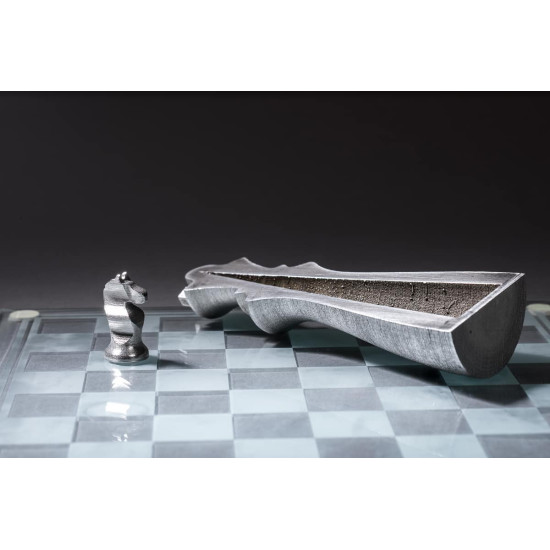
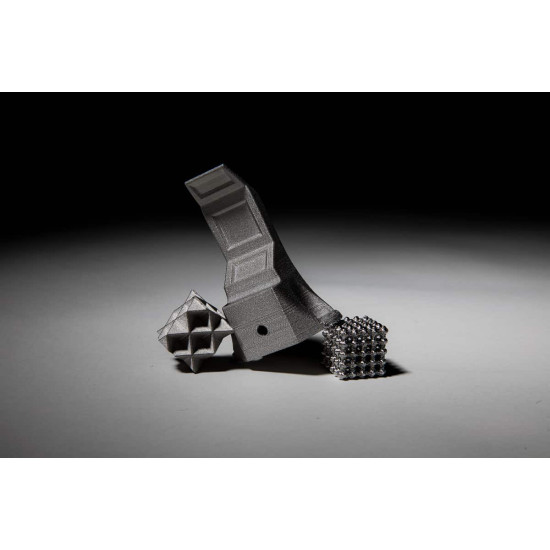
Ultrafuse® 316L metal printing filament is specially designed for use on conventional 3D printers using FFF (Fused Filament Fabrication) technology. This material provides an affordable and convenient solution for creating high-quality metal parts. Its advantages include a combination of design freedom and reduced production costs. With this material, metal 3D printing becomes faster, easier and more accessible for users.
High properties of finished parts
To achieve excellent properties of finished parts, a catalytic debinding and sintering process is used. This method, originally introduced by BASF, meets the standards set for injection molding (MIM). The final parts are characterized by excellent strength, hardness and durability.
Wide range of applications
Ultrafuse® 316L is suitable for a variety of applications:
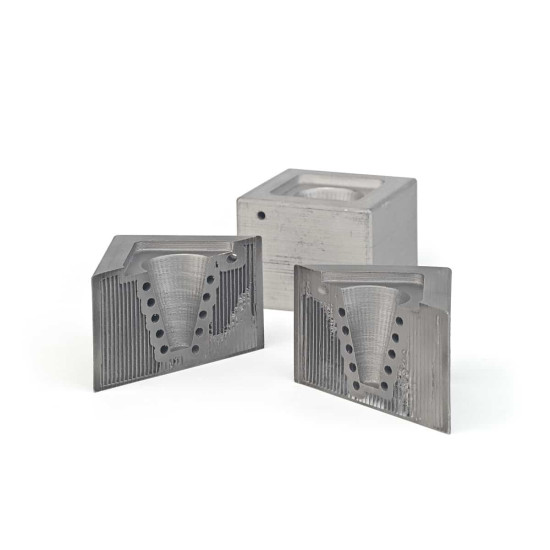
- Tool making.
- Jig and fixture production.
- Small-scale production.
- Functional prototyping and jewelry production.
The material is a metal-polymer composite that contains approximately 90% metal particles combined with thermoplastic binders, which simplifies the process.
Ease of use and safety
The 316L metal filament has a non-slip surface, which ensures compatibility with most extruders, including Bowden systems and direct drive devices. It easily withstands complex material feed paths due to its high flexibility. At the same time, no additional drying is required, which makes it convenient and safe to work with.
The composite structure prevents the risks associated with fine metal powders, simplifying the printing process.
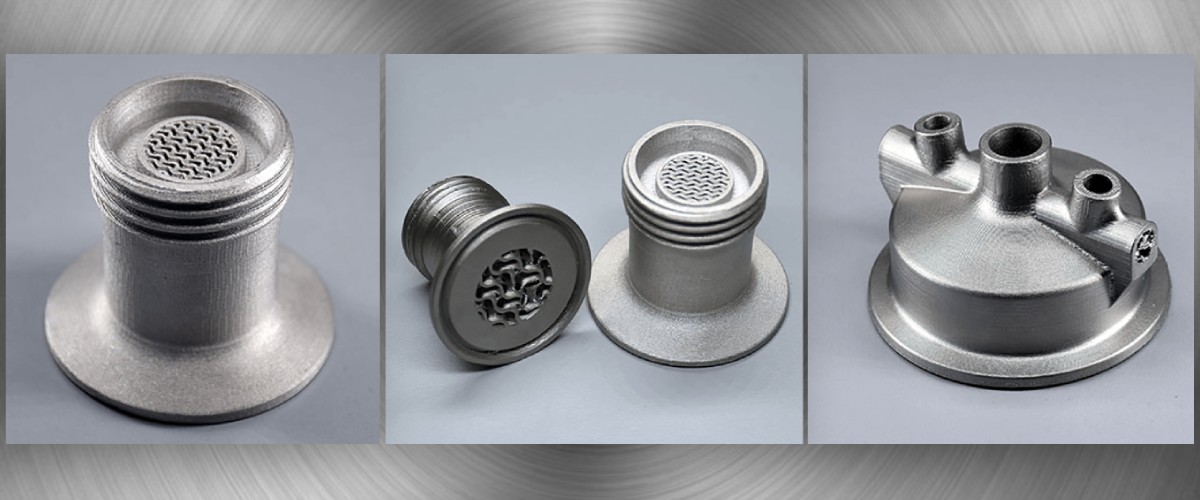
Key Benefits of Ultrafuse® 316L
- Simple and cost-effective metal 3D printing.
- Easy material changeover and easy handling.
- Suitable for open source FFF printers.
- Produces 316L stainless steel parts.
- Uniform particle distribution improves mechanical properties.
- High flexibility allows the material to be used on any FFF printer.
Application Examples
The material is widely used in various industries, including:
- Tool making.
- Functional prototyping.
- Fixture manufacturing.
- Small-scale production.
Unique Material Properties
Ultrafuse® 316L metal filaments have the following key characteristics:
- High corrosion resistance.
- Temperature stability.
- Austenitic structure.
- Non-magnetic properties.
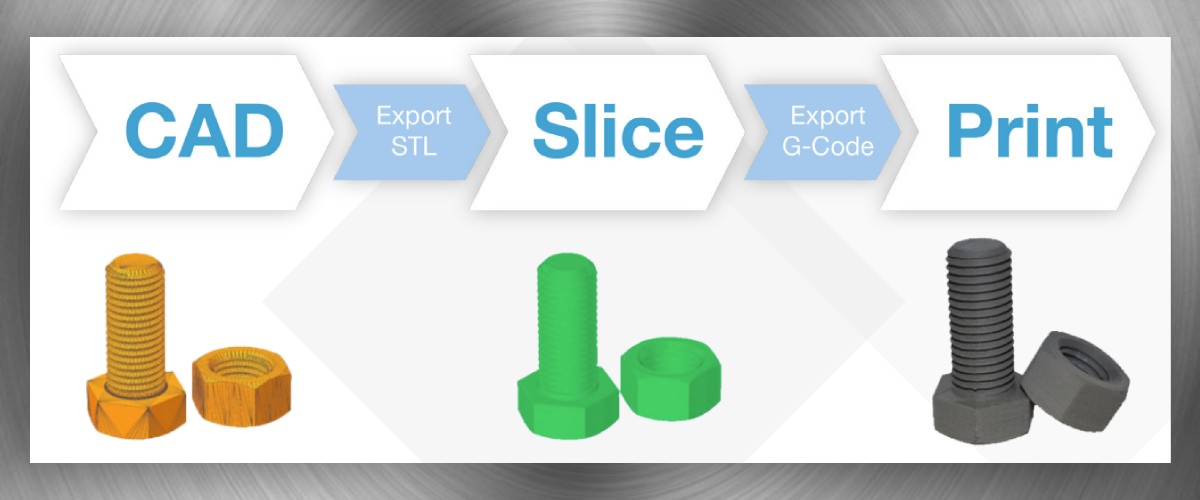
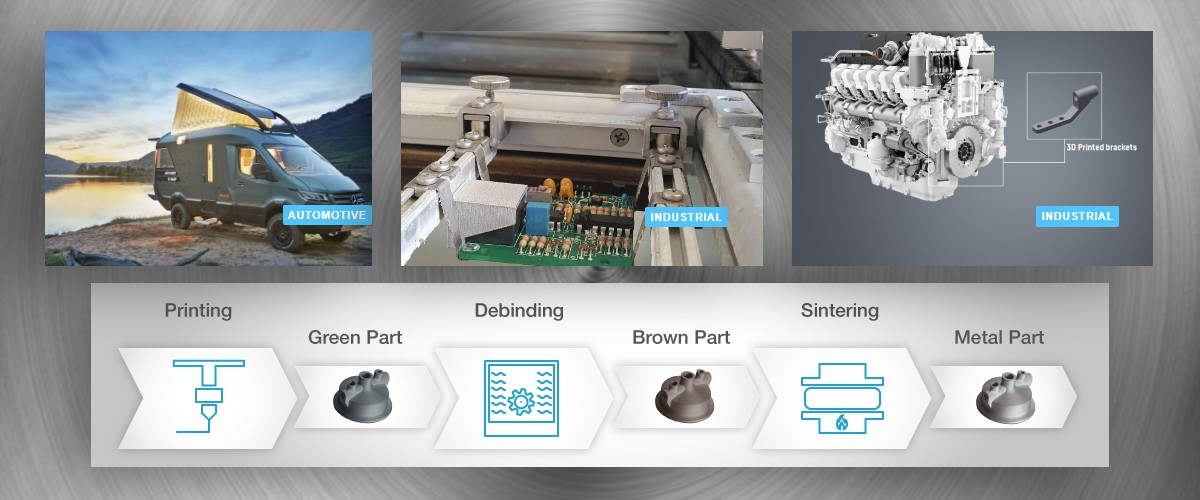
Ultraviolet® 316L 3D Printing Process Steps
Preparation for Printing
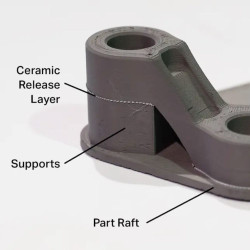
For best results, it is important to follow the preparation checklist, printer setup parameters, and 3D modeling guidelines. This ensures that the Ultrafuse® 316L metal filament and support material are extruded correctly.
Green Part
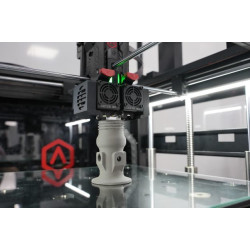
Printing with Ultrafuse® 316L creates a so-called "green part". This is an object consisting of metal powder and a resin binder.
Binder Removal
This step is an important part of post-processing. The resin binder is removed, preventing warping and improving sintering quality.
Brown Part
After the binder is removed, the part becomes "brown". At this stage, only the porous structure of the metal powder remains.
Sintering
The final step is sintering. It fuses metal particles together to create a fully metal "white part".
Metal Part
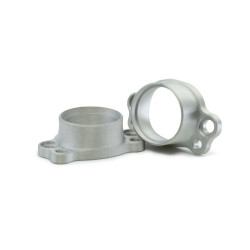
After sintering, the part becomes fully metal and is ready for post-processing, like any traditional metal part.
3D Printer Compatibility
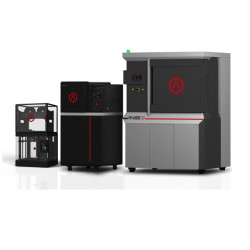
Ultrafuse® 316L is designed to work with 3D printers that support open materials and FFF technology. The material has a wide processing window, making it versatile and easy to use on a variety of devices.
Ultrafuse® 316L is a step forward in metal 3D printing, combining quality, simplicity and affordability. A few simple steps, and the metal part is ready to go.
More details about the product at the link:
- Product card
- Technical data sheet (EN)
- User instructions
- Removal of union modeling recommendations
- Process instructions
- Safety data sheet (EN)
- Printing profiles for Raise3D