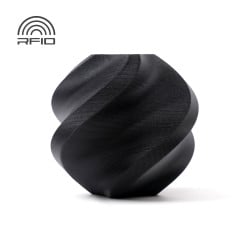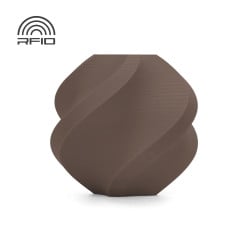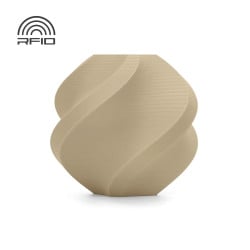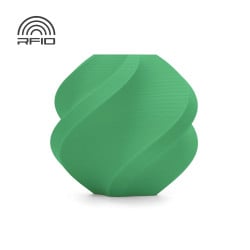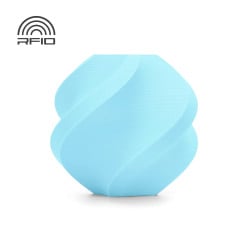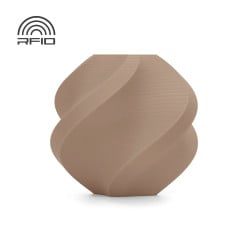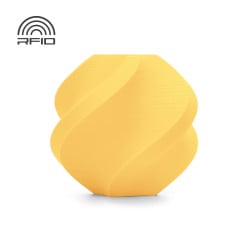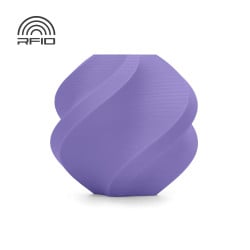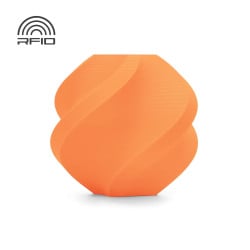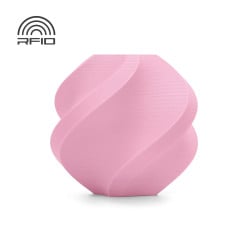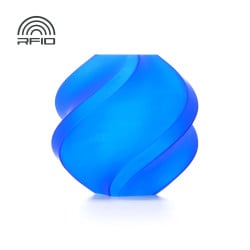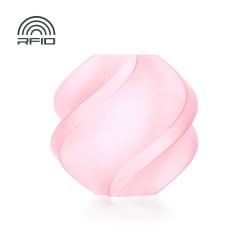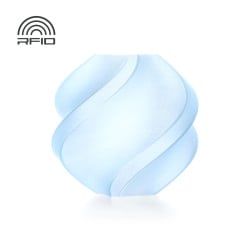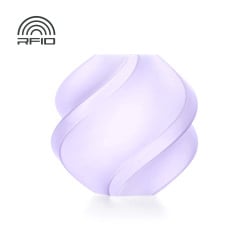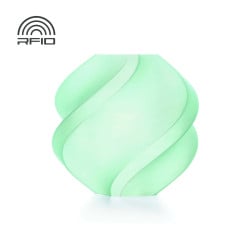


- Stock: In Stock
- Product code: PETG Translucent Orange
- Weight Brutto: 1.20kg

More from this brand


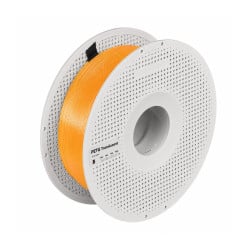
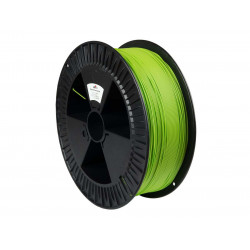
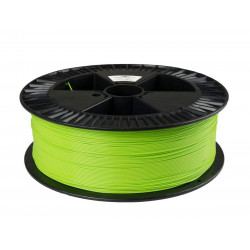
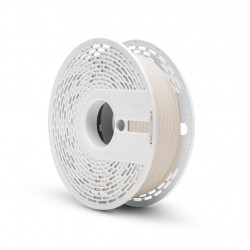
PETG Plastic Bambu Lab Translucent 1.75 mm Orange for Durable and Translucent 3D Printing
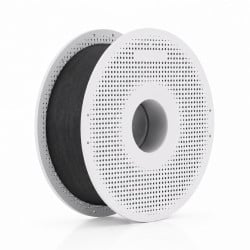
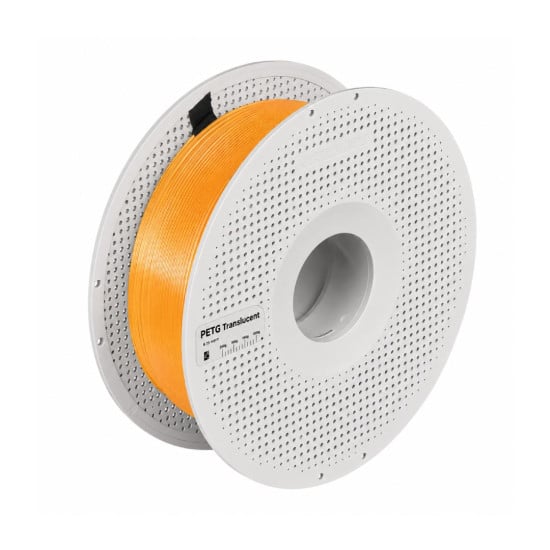
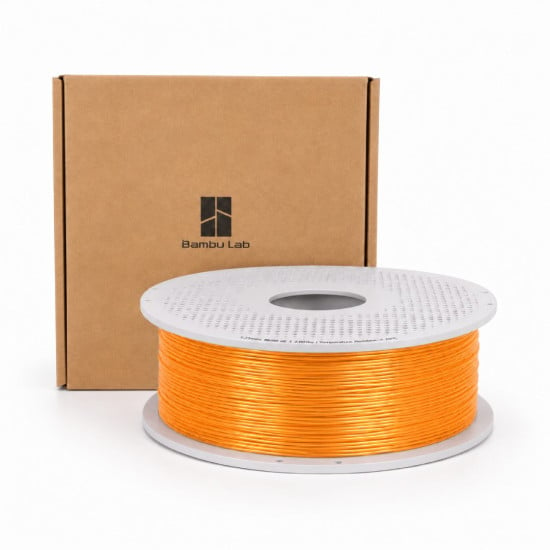
Bambu Lab PETG Translucent is a translucent engineering plastic with enhanced interlayer adhesion, UV resistance, and moisture resistance. Thanks to its modified formula, the material has a low melt flow index and an optimized retraction range from 0.8 to 1.4 mm. This minimizes stringing, material sticking to the nozzle, and the appearance of microbubbles inside the model walls. The spool is made of heat-resistant plastic that can withstand heating up to 70 °C, allowing safe filament drying at 65 °C. It is also equipped with a built-in radio frequency tag that automatically synchronizes print speed parameters up to 220 mm/s, temperature, and cooling with the Bambu Lab AMS automatic feed system.
Material Features
- Optimized chemical formula. Reduces stringing and plastic sticking to the nozzle, simplifying post-processing and reducing the defect rate on complex geometries.
- Dimensional stability. The material is resistant to warping and shrinkage. Suitable for printing in both open and closed printer chambers.
- Environmental resistance. The plastic withstands UV exposure, moisture, and temperature fluctuations, allowing parts to be used outdoors.
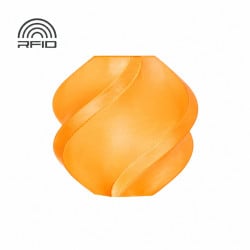
- Automatic configuration. The built-in RFID tag transmits ready-made temperature, speed, and retraction profiles to the Bambu AMS system, eliminating manual slicer settings.
Translucency Mechanism and Color Palette
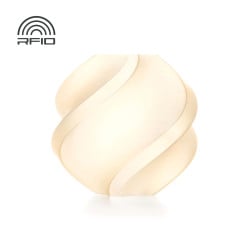
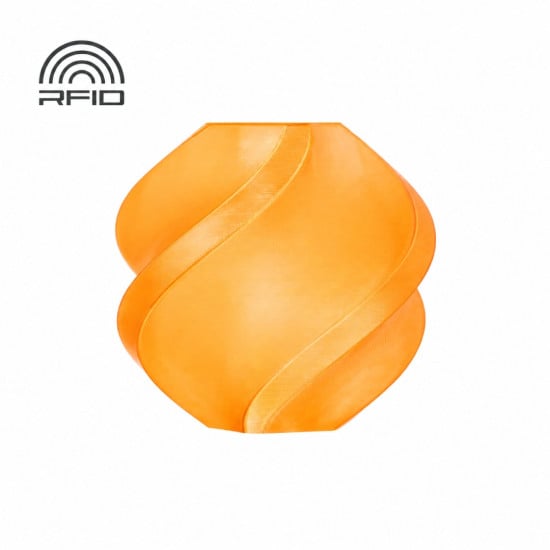
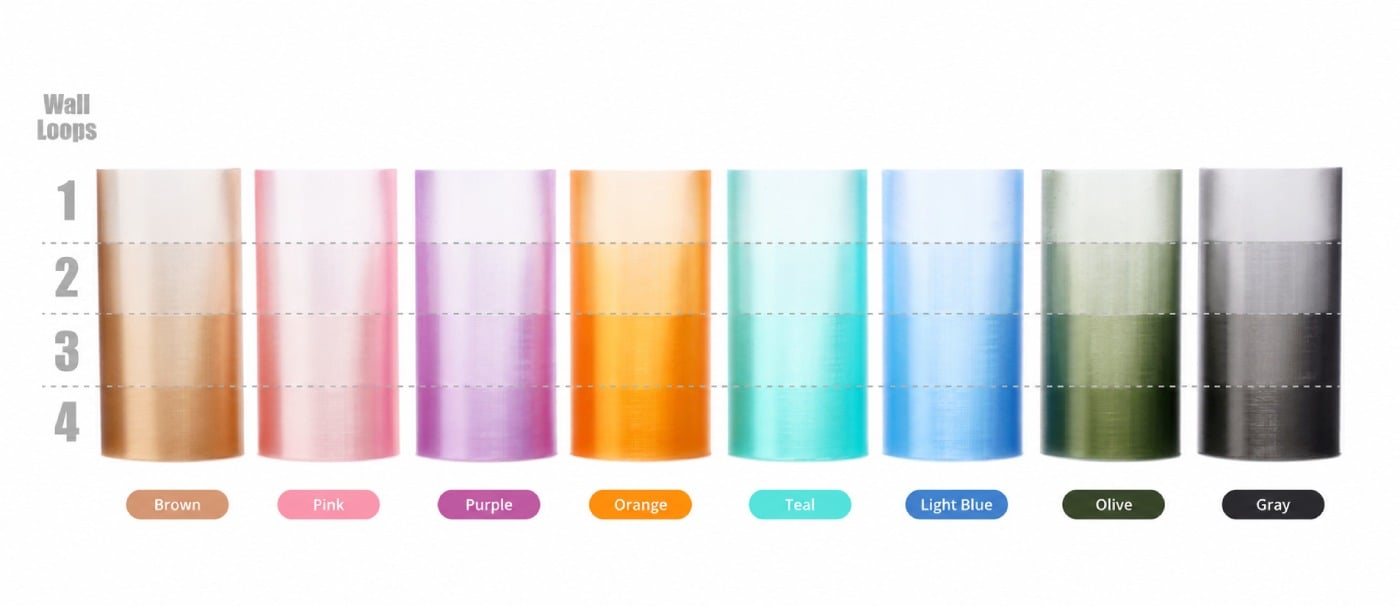
The level of light transmission of the part depends on the layer height, extrusion speed, infill density, and the number of perimeters (walls). Combining different wall thicknesses and color combinations in multi-material printing allows achieving various visual effects: a minimal number of contours ensures high transparency and glossy shine, while increasing the number of walls makes the color denser and the effect more diffused.
The dependence of shade saturation on the number of perimeters is clearly visible when comparing samples of different thicknesses. The diagram below demonstrates the optical properties of each of the eight colors in the range when using from one to four wall contours, helping to accurately select slicer settings before starting printing.
Integration with Equipment and Safety
Compatibility with AMS System
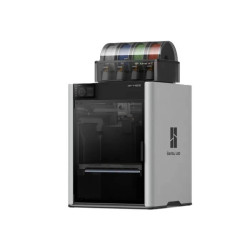
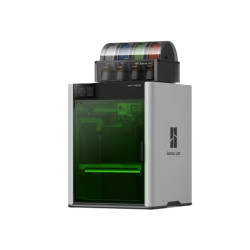
Each spool is equipped with an RFID tag with a material profile. When installed in AMS or AMS Lite, the system automatically reads the tag and sets the nozzle temperature, bed temperature, print speed, cooling, and retraction parameters in Bambu Studio. This eliminates manual slicer setup errors and supports filament end control and multi-color printing functions.
Chemical Properties and Safety
The plastic does not have a strong odor during melting, is stable under standard storage conditions, and is insoluble in water. The material is resistant to oils and fats but vulnerable to acids, alkalis, and some organic solvents. When burning, it decomposes into water and carbon oxides. Heat treatment of finished parts is not recommended due to the risk of geometric deformation.
Applications of Bambu Lab PETG Translucent
- Lighting decor and architectural models. Due to controlled light transmission, the plastic is suitable for making lampshades, lights, light diffusers, and elements of scale models with internal lighting.
- Outdoor signs and protective enclosures. UV, moisture, and temperature fluctuation resistance allows using the material outdoors. Parts (signs, cable fasteners, enclosure elements) do not yellow or become brittle over time.
- Prototyping and visualization of internal geometry. The translucency of the walls allows evaluating the location of internal ribs, channels, or snap-fit connections without cutting the test sample.
- Containers and laboratory glassware. Low water absorption of 0.30% and resistance to oils and fats allow creating containers where constant visual control of the level or state of the contents is necessary.
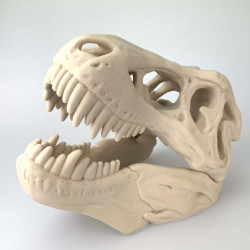
- Artistic and design objects. High detail when printing with nozzles from 0.4 mm allows creating complex sculptural forms where filament layers work as an intentional aesthetic element.
- Household electronics elements. Stable filament diameter ± 0.03 mm ensures uniform extrusion, which is important for printing light guides, LED strip housings, and LED panels without optical defects.
Printing Parameters
| Parameter | Value |
| Printing Technology | FDM |
| Type of 3D Printer | Open / Closed |
| Extruder Temperature | 230–270 °C |
| Compatible Nozzle Diameters | 0.2 / 0.4 / 0.6 / 0.8 mm |
| Type of Print Bed | Engineering Plate, High Temperature Plate, Textured PEI Plate |
| Print Bed Surface Preparation | Adhesive |
| Bed Temperature | 65–75 °C |
| Chamber Temperature | 35–50 °C |
| Print Speed | < 220 mm/s |
| Retraction Speed | 30–60 mm/s |
| Retraction Length | 0.8–1.4 mm |
| Model Cooling | 0–60% |
| Maximum Overhang Angle | ~ 70° |
| Maximum Bridge Length | ~ 30 mm |
| Humidity during Printing and Storage | < 20% RH (in a sealed container with desiccant) |
Physical Characteristics
| Parameter | Value |
| Filament Diameter | 1.75 mm |
| Diameter Tolerance | ±0.03 mm |
| Density | 1.25 g/cm³ |
| Net Filament Weight | 1 kg |
| Spool Material | ABS with heat resistance up to 70 °C |
| Spool Size | Diameter: 200 mm; Height: 67 mm |
| Saturated Water Absorption Level | 0.30% at 25 °C, 55% RH |
Thermal Properties
| Parameter | Value |
| Melting Temperature | 228 °C |
| Glass Transition Temperature | 70 °C |
| Vicat Softening Temperature | 79 °C |
| HDT Thermal Deformation 0.45 MPa | 74 °C |
| HDT Thermal Deformation 1.8 MPa | 68 °C |
Mechanical Properties
| Parameter | Value |
| Melt Flow Index (MFI) | 11.7 ± 1.5 g/10 min (230 °C, 2.16 kg) |
| Tensile Strength (X-Y) | 33 ± 4 MPa |
| Tensile Strength (Z) | 29 ± 3 MPa |
| Elasticity / Young's Modulus (X-Y) | 1420 ± 160 MPa |
| Elasticity / Young's Modulus (Z) | 1230 ± 140 MPa |
| Flexural Modulus (X-Y) | 1610 ± 130 MPa |
| Flexural Modulus (Z) | 1520 ± 110 MPa |
| Flexural Strength (X-Y) | 68 ± 3 MPa |
| Flexural Strength (Z) | 55 ± 4 MPa |
| Elongation at Break (X-Y) | 8.2 ± 1.3% |
| Elongation at Break (Z) | 5.2 ± 0.9% |
| Charpy Impact Strength (X-Y) | 37.4 ± 3.3 kJ/m²; 8.6 ± 2.1 with notch |
| Charpy Impact Strength (Z) | 7.2 ± 1.8 kJ/m² |
Chemical Properties and Safety
| Parameter | Value |
| Composition | PETG |
| Odor during Printing | Odorless |
| Skin Hazard | None |
| Chemical Stability | Stable under normal storage conditions |
| Solubility | Insoluble in water |
| Resistance to Acids and Alkalis | Not resistant |
| Resistance to Organic Solvents | Limited resistance, degrades under some solvents |
| Resistance to Oils and Fats | Resistant to most types |
| Flammability | Flammable |
| Combustion Products | Water, carbon oxides (odorless) |
Why Buy Bambu Lab PETG Translucent Plastic from Center 3D Print?
Center 3D Print has been supplying 3D printing equipment and materials throughout Poland and the EU since 2012. The company operates as a representative of Bambu Lab, ensuring direct supply of filaments from the manufacturer. The technical team provides pre-purchase consultations, helping to select compatible nozzles, print bed surfaces, and drying modes for specific tasks. Products and spare parts are stored in stock, reducing order shipment and delivery times.