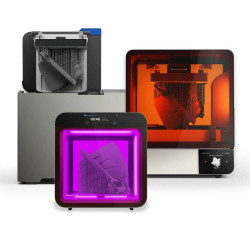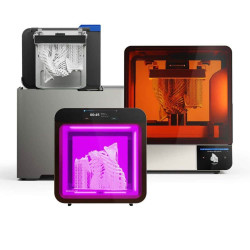





- Stock: In Stock
- Product code: 827588000000924348
- Weight Brutto: 2.51kg
- SKU: RS-F2-AL4N-01

More from this brand


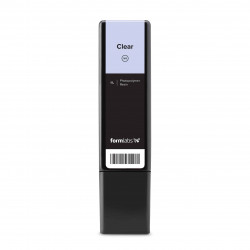
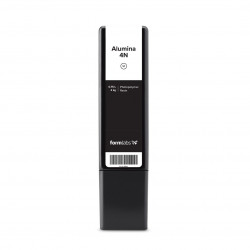
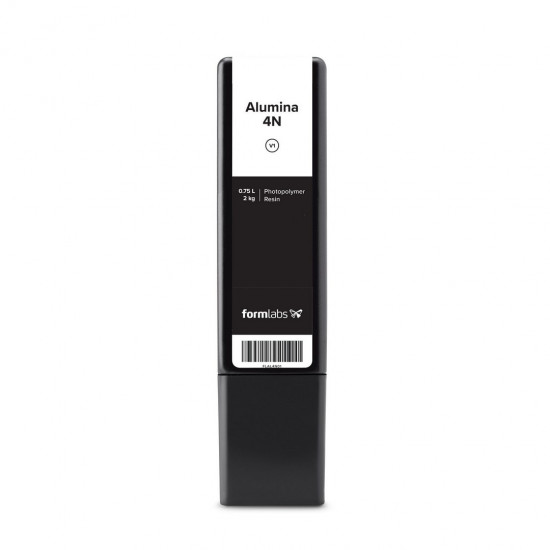
Buy Formlabs Alumina 4N Resin for ceramic printing
In the Center 3D Print store, you can buy Alumina 4N Resin, a new photopolymer from Formlabs that has made 3D printing with technical ceramics the most affordable way possible.
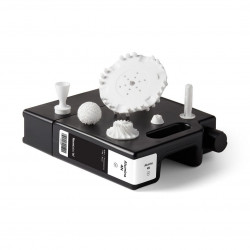
Formlabs Alumina 4N Resin is a high-density, high-purity engineering ceramic material for precision 3D printing of exceptionally durable parts that will perform in extreme conditions*.
*The material requires a firing stage and is a real ceramic.
Advantages of ceramic resin 3D printing
It is a heat-resistant, hard, abrasion-resistant, mechanically strong and chemically inert material that opens up new affordable geometrically complex parts for your production, chemical laboratory, workshop or foundry.
Abandon expensive tooling and molds for geometric freedom, lower production costs, and a faster end-to-end process and faster overall development cycle.
- Retains a bending strength of 400 GPa
- Maximum working temperature 1500 °C
- HV10 hardness 1370
- Young's modulus 380 GPa
- Purity 99.99% and relative density 98.6%
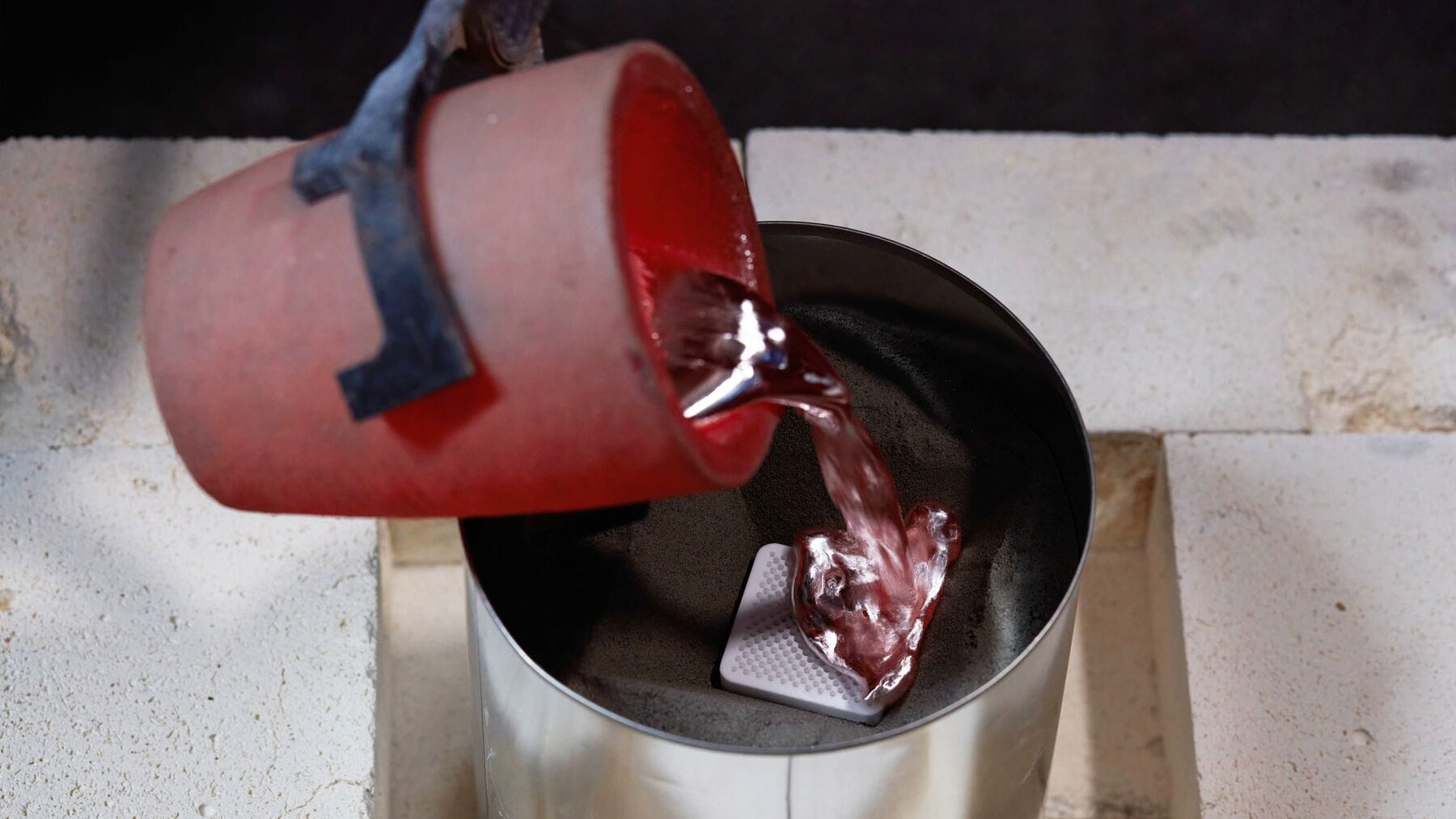
A new era of affordable technical ceramics
Alumina 4N resin has been developed to meet the technical needs of the high-end engineering market.
All of the materials that make up the composition are specifically designed to work with the resin everywhere from printing to processing, burn-in and final properties. The ecosystem and technology are creating a new extraordinary performance of aluminum oxide parts with the design freedom and lead time of 3D printing at a fraction of the initial price of leading alternatives.
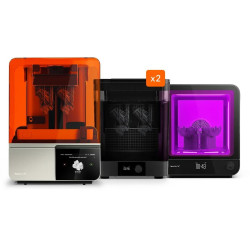
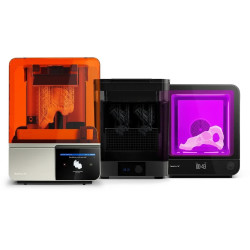
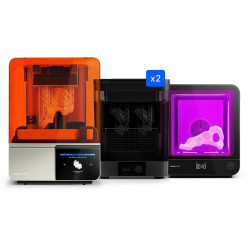
Many industries rely on technical ceramics for high heat, electrical, abrasion, and chemical resistance. The limitations here are the cost and duration of traditional production, which in turn has less design freedom than 3D printing. Existing ceramic 3D printers cost hundreds of thousands of dollars and require specialized operators. With Alumina 4N Resin, anyone can use ceramic 3D printing and eliminate expensive tooling and molds for design freedom, lower production costs, and faster turnaround times. Thanks to the Formlabs SLA ecosystem, previously impossible ceramic projects are now within everyone's reach.
Application
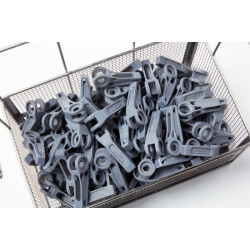
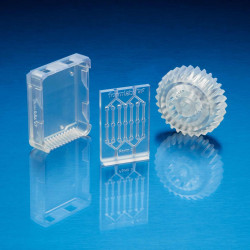
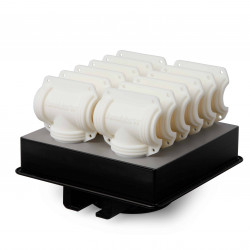
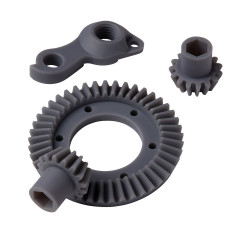
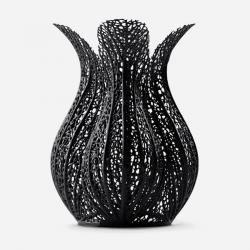
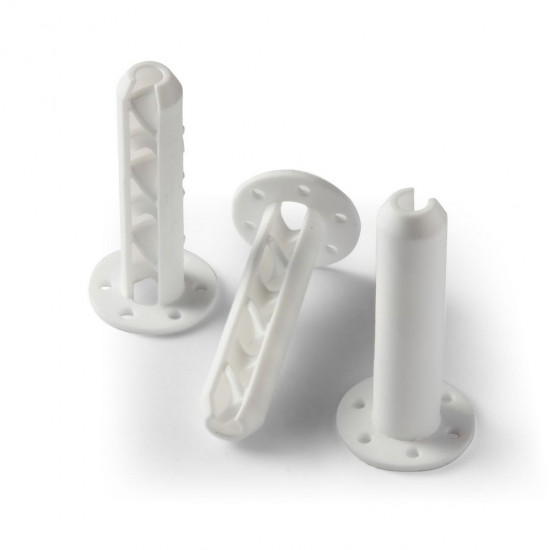
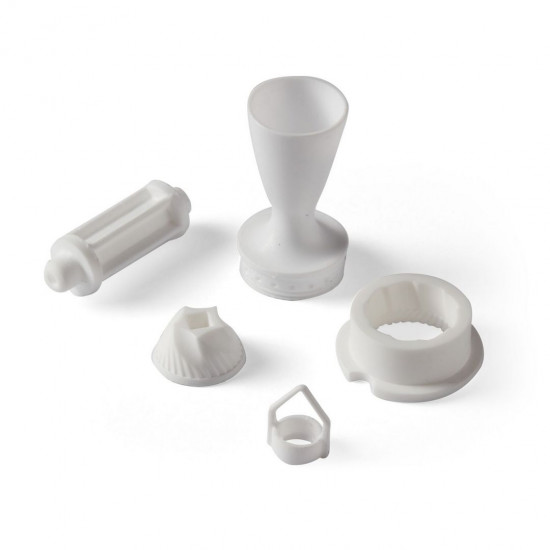
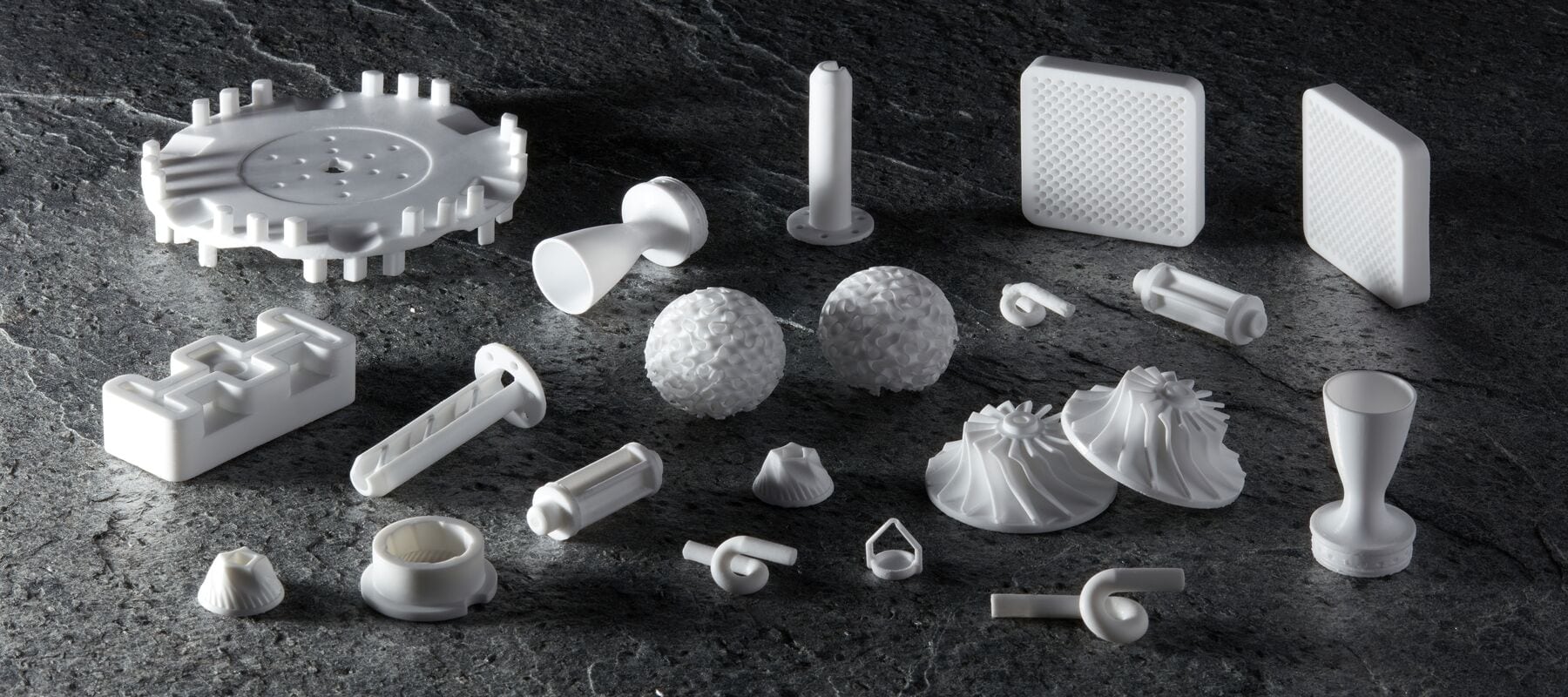
Alumina 4N Resin allows you to easily enter your workflows for producing affordable parts with complex geometries and a low barrier to entry. 3D printing of ceramic components with complex internal channels, lattice structures, and intricate geometries that are not possible with traditional alumina. The material prints extremely efficient products with exceptional thermal, mechanical, and electrical conductive properties that are comparable to conventionally produced alumina.
- High-voltage components: enclosures, connector housings and covers, terminal blocks.
- Chemical resistant components: collector pipes, mixing blades, pipes.
- Heat-resistant components: spark plug insulators, electrical wiring, insulating housings or tubes.
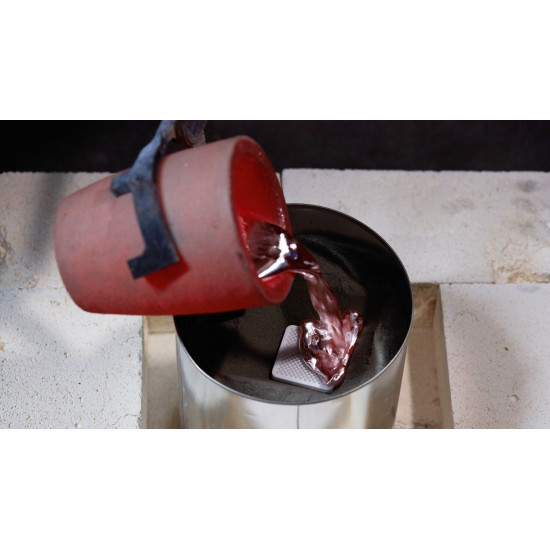
- Metal casting tools: cores, crucibles, mixing tools, thermocouple jackets, metal filters.
Compatibility
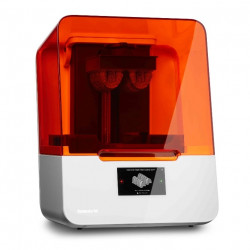
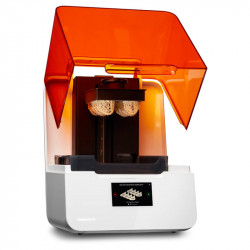
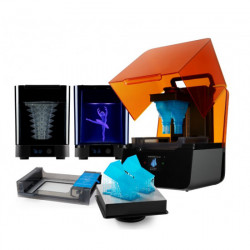
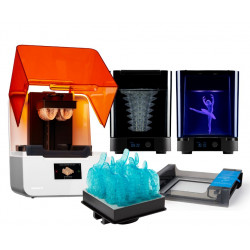
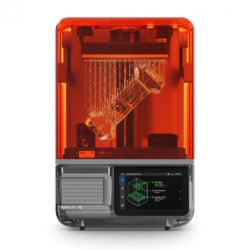
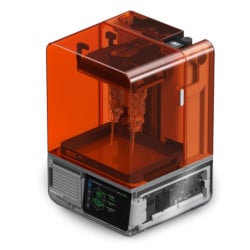
- Printer compatibility: Form 3, Form 3+, Form 3B, Form 3B+.
- Compatible with resin tanks: Form 3/3B Resin Tank V2.1.
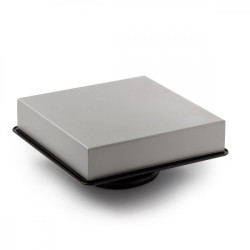
- Compatible with build platforms: F3 Build Platform 2, F3 Stainless Steel Build Platform.
- Layer height: 50 microns.
Rinsing printed parts with Alumina 4N
Important: Do not allow Alumina 4N resin parts to come into contact with water or IPA, as this will cause cracking. Clean printed Alumina 4N parts only with Formlabs Ceramic Wash Solution.
Firing process for parts made of Alumina 4N photopolymer
The process of firing parts includes two stages: firing and sintering. The firing stage is designed to slowly burn out all the polymer material in the printed parts, which includes all the photo-curable material. This process is quite slow, taking a couple of days at temperatures of approximately 150 °C to 600 °C to allow all the material to slowly off-gas without creating excessive pressure.
This usually happens in a separate oven because we'll have a little bit more control that way/it's more common, and then we raise the temperature to 1000 °C to get a very light pre-sintering. The actual sintering process is the transition from a loosely bonded set of powder to a fully consolidated dense part, and this can take significantly less time, the main limiting factor being the time for the ceramic to heat up completely and evenly.

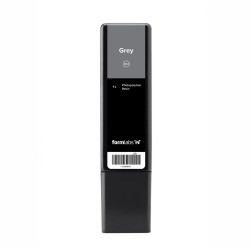
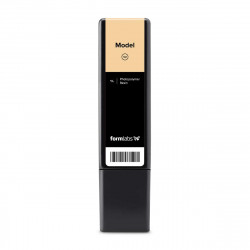
Store the resin cartridge between uses
Refrigerated storage is recommended for long-term storage and can extend the shelf life to 12 months (room temperature - 3 months). Refrigeration will not affect its properties if the material is heated to room temperature. It is recommended to shake the cartridge quickly (5-10 seconds) during the first use, as well as after it has not been used for more than a month. If the material has been stored in the tank for longer than a month, it may be necessary to stir it slightly by hand using a non-damaging tool to re-incorporate any material that has settled.