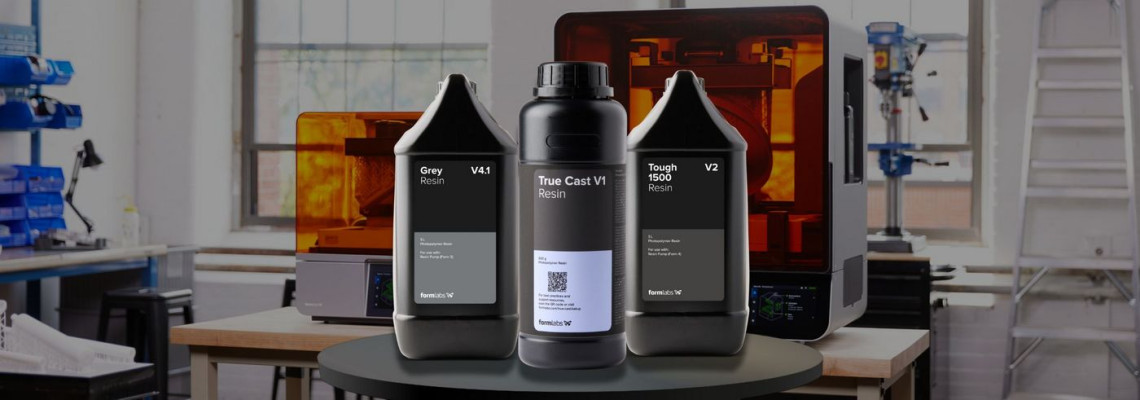
Szczegółowy przegląd Grey Resin V4.1, Tough 1500 V2 oraz True Cast Resin. Analiza parametrów i ich bezpośredni wpływ na jakość prototypów, części funkcjonalnych i modeli odlewniczych
Firma Center 3D Print przeprowadziła niedawno webinar techniczny dotyczący najnowszej generacji żywic inżynieryjnych Formlabs. W technologiach addytywnych wybór odpowiedniego materiału jest etapem równie krytycznym, co samo modelowanie 3D czy konfiguracja drukarki. Często to właśnie od właściwości fotopolimeru zależy, czy prototyp spełni swoje zadanie: czy przejdzie testy funkcjonalne, czy zostanie obiektywnie oceniony wizualnie, czy też stanie się idealnym odlewem metalowym.
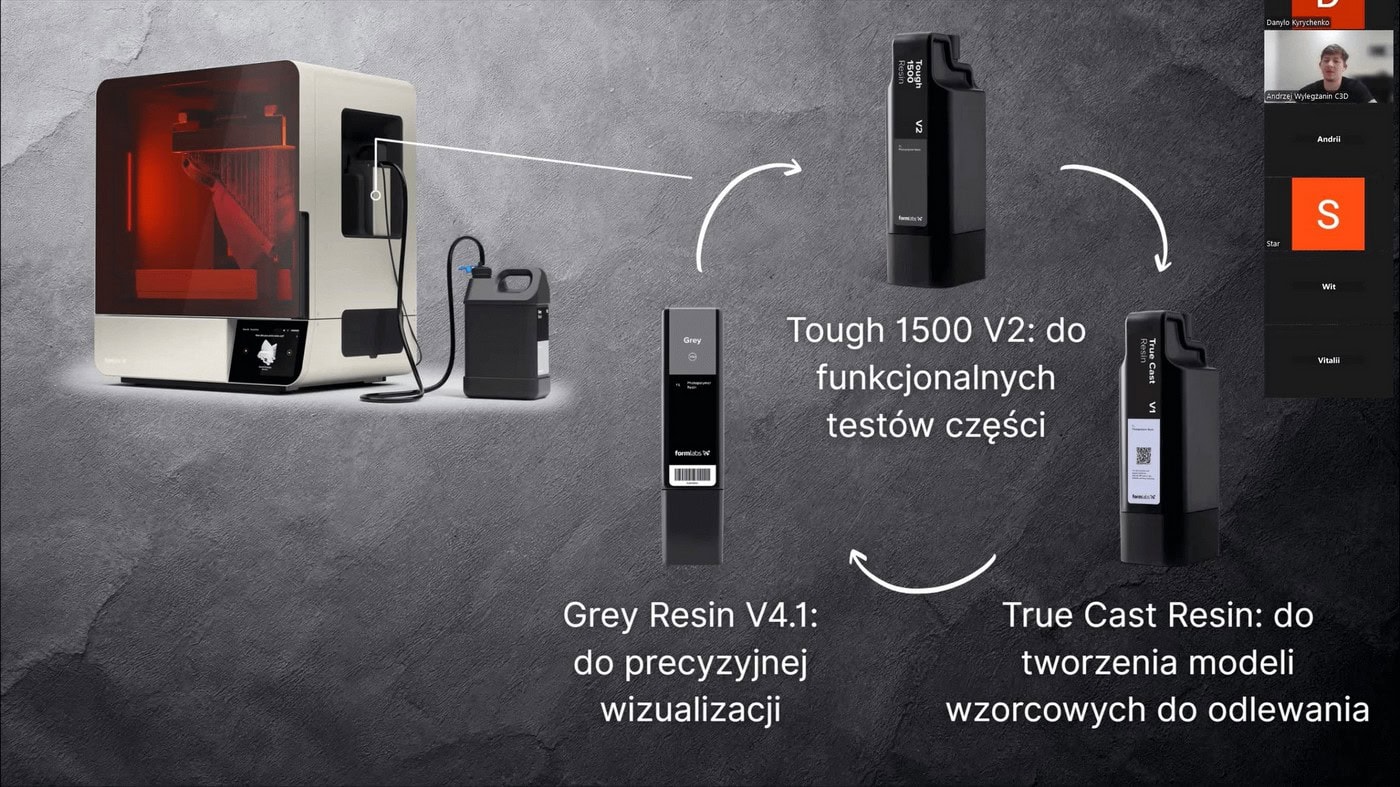
Celem naszego przeglądu nie było jedynie wyliczenie parametrów, ale dostarczenie inżynierom, projektantom i odlewnikom precyzyjnego narzędzia technicznego do doboru materiału pod kątem konkretnego zadania. W centrum uwagi znalazły się trzy kluczowe żywice, z których każda wypełnia specyficzną niszę w procesach badawczo-rozwojowych (R&D) i produkcyjnych.
1. Grey Resin V4.1: gdy priorytetem jest precyzja wizualna
Pierwszym zadaniem każdego prototypu jest umożliwienie obiektywnej oceny projektu i ergonomii. Standardowe błyszczące fotopolimery często stwarzają problem: odbijają światło, uwypuklając linie warstw druku i zniekształcając odbiór formy.

Grey Resin V4.1 rozwiązuje ten problem dzięki matowej powierzchni, która jest rozwiązaniem inżynieryjnym, a nie tylko estetycznym. Rozprasza ona światło dyfuzyjnie, niwelując wizualne postrzeganie warstw. Pozwala to uzyskać monolityczny element, którego wygląd jest maksymalnie zbliżony do części wykonanej metodą wtryskową.
Podczas webinaru zwróciliśmy również uwagę na kluczową aktualizację wersji V4.1 w porównaniu do V4: zwiększoną udarność. W praktyce oznacza to, że prototyp stał się mniej kruchy i wytrzymuje manipulacje podczas obróbki końcowej lub demonstracji, co zmniejsza ryzyko uszkodzenia modelu przed prezentacją.
2. Tough 1500 V2: testy funkcjonalne, odpowiednik PP
Gdy ocena wizualna nie wystarcza i prototyp musi „pracować”, do gry wchodzą żywice inżynieryjne. Tough 1500 V2 to materiał opracowany w celu imitacji właściwości jednego z najpopularniejszych tworzyw przemysłowych – polipropylenu (PP).
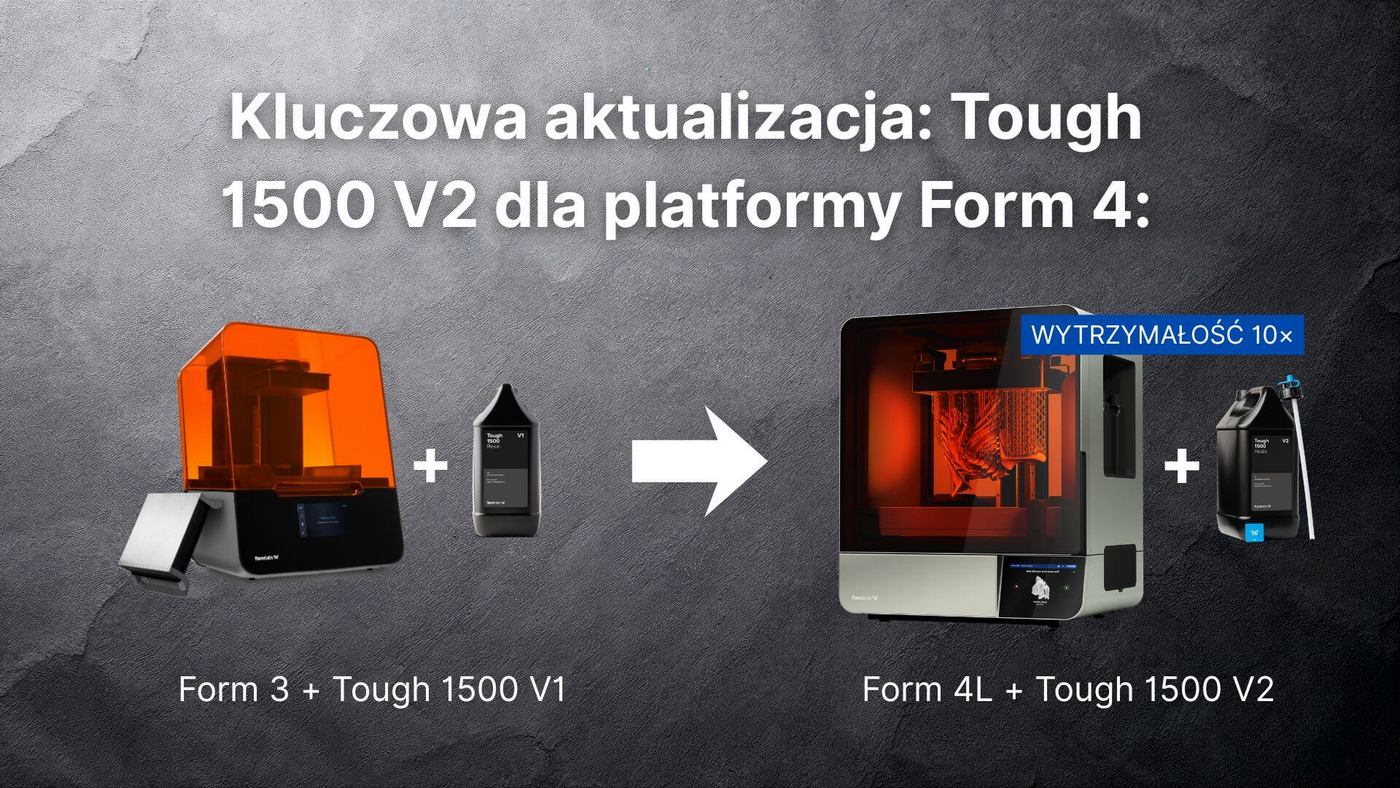
Jego moduł sprężystości (około 1500 MPa) zapewnia równowagę między sztywnością a elastycznością. Umożliwia to inżynierom testowanie zachowania detalu, np. działania zatrzasków, zawiasów czy mocowań, w warunkach zbliżonych do rzeczywistych. Prototyp z Tough 1500 V2 może ulegać deformacji i wracać do pierwotnego kształtu bez pękania.
Aktualizacja V2, szczególnie w połączeniu z platformą Form 4, wykazuje znacznie wyższą odporność na rozerwanie, co pozwala na tworzenie niezawodnego oprzyrządowania produkcyjnego (uchwytów i przyrządów) oraz węzłów funkcjonalnych do rzeczywistych prób terenowych.
3. True Cast Resin: czystość techniczna dla bezbłędnego odlewania
Trzeci blok webinaru poświęcony był wąsko wyspecjalizowanemu zadaniu – odlewaniu metodą traconego wosku (modeli wytapianych), co jest kluczowe dla jubilerstwa i stomatologii.
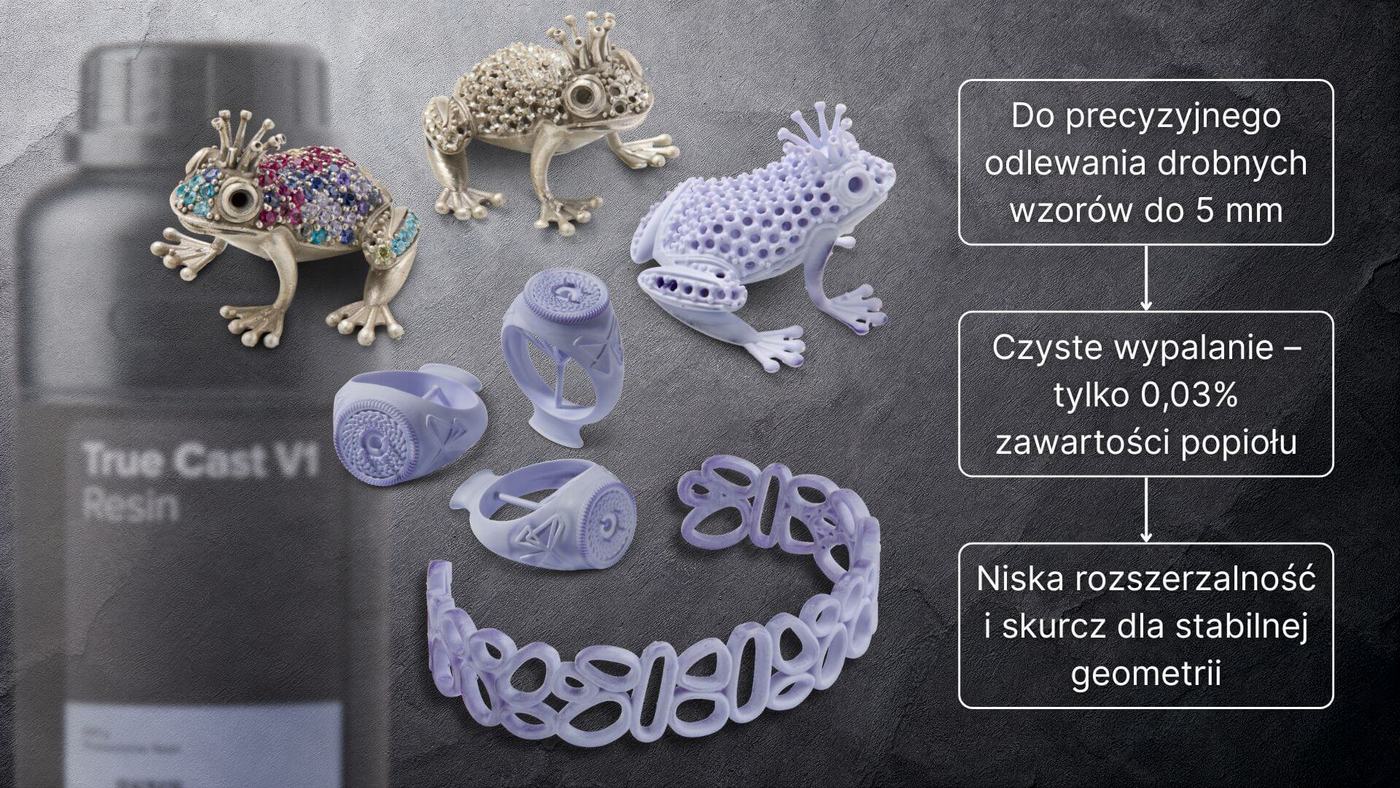
Tutaj kluczowa zaleta True Cast Resin sprowadza się do jednej liczby – zawartość popiołu szczątkowego wynosi nie więcej niż 0,03%.
W praktyce oznacza to całkowite, czyste wypalenie modelu z formy odlewniczej bez tworzenia nagaru czy popiołu. To właśnie ta pozostałość w niespecjalistycznych żywicach jest główną przyczyną defektów powierzchni (porów, pęcherzy) na gotowym odlewie metalowym. Zastosowanie True Cast Resin minimalizuje, a często całkowicie eliminuje konieczność skomplikowanej ręcznej obróbki metalu.
Dodatkowymi atutami są wysoka rozdzielczość pozwalająca na odwzorowanie ostrych krawędzi i mikrotekstur, a także stabilność wymiarowa gwarantująca dokładną zgodność odlewu z pierwotnym modelem CAD.
Wybór odpowiedniego materiału to zawsze kompromis między właściwościami mechanicznymi, termicznymi i wizualnymi. Zrozumienie głębokich różnic technicznych między żywicami pozwala inżynierom i projektantom przyspieszać iteracje, obniżać koszty prototypowania i podnosić jakość produktu końcowego.
Zapraszamy do obejrzenia pełnego nagrania z webinaru
Dla osób, które nie mogły dołączyć do nas na żywo lub chcą ponownie prześledzić szczegóły techniczne, przygotowaliśmy pełny zapis webinaru. Pozwoli to Państwu jeszcze głębiej zanurzyć się w niuanse techniczne każdego materiału i zobaczyć przykłady ich zastosowania.
Produkty Powiązane

Najnowszy



Specials





Bestsellery









Najczęściej oglądane



-250x250.jpg "Grawerka laserowa i Wycinarka Creality CR-Laser Falcon 10W")